Pose collection · 10 poses
Yoga poses for runners
Running asks the same few muscles to work in the same direction thousands of times. Calves, hamstrings, hip flexors, and glutes do most of the job, and they tend to feel it first. Yoga gives them a chance to move through a fuller range at an easier pace.
These poses target the areas runners usually mention most. They work well after a run, when the body is warm, or as a short session on a rest day. Keep the effort moderate: the goal is to recover, not to add another hard workout.
By Fayeed Pawaskar · Open any pose for full steps, a form checklist, and common mistakes
 Yoga · Beginner
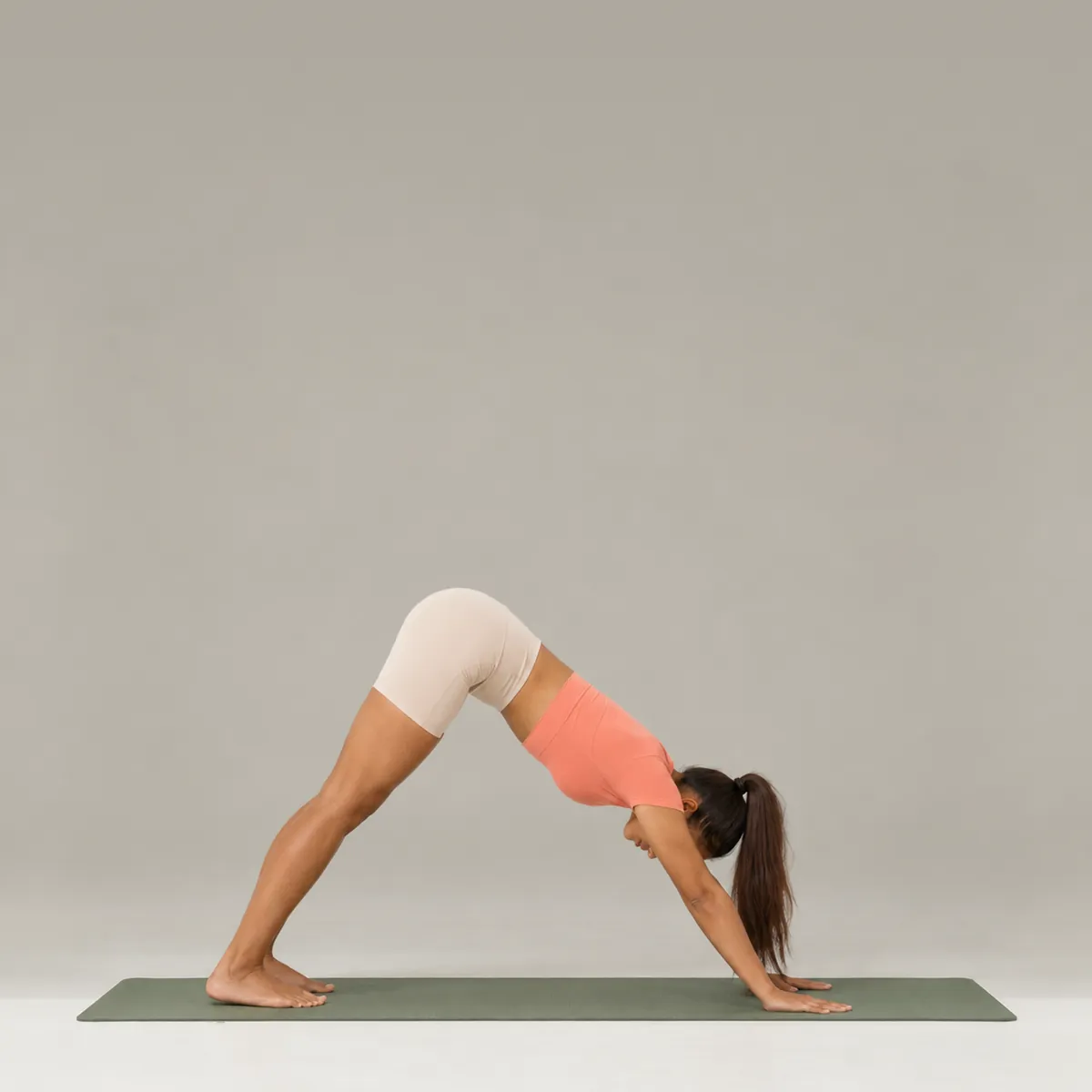
1. Downward facing dog
Adho Mukha Svanasana
Stretches the calves and hamstrings together. Pedal the feet one at a time, bending one knee while the other heel reaches down.
How to do it →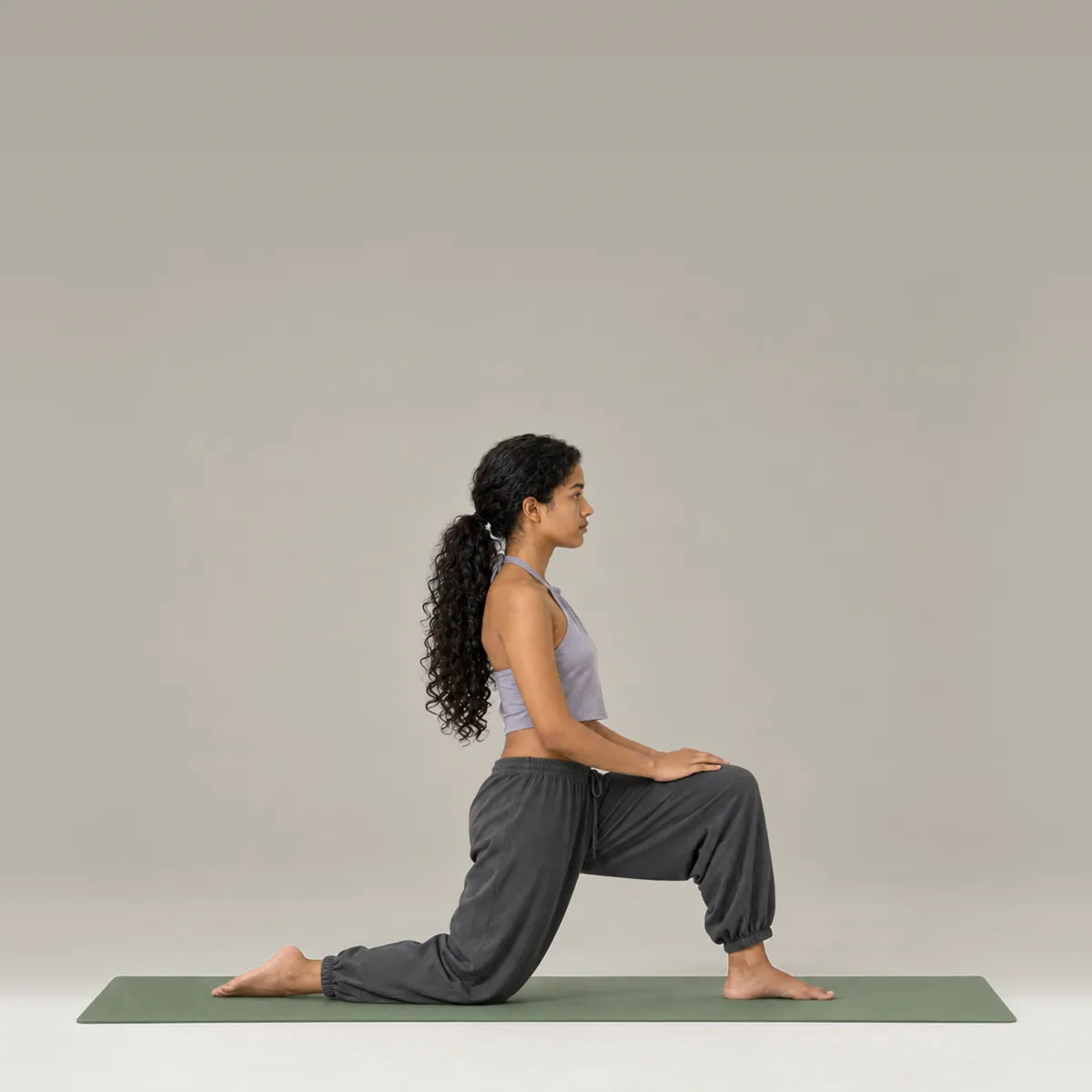 Yoga · Beginner
2. Low lunge
Anjaneyasana
Opens the hip flexors of the back leg, which work hard on every stride. Keep the front knee over the ankle and lift through the chest.
How to do it →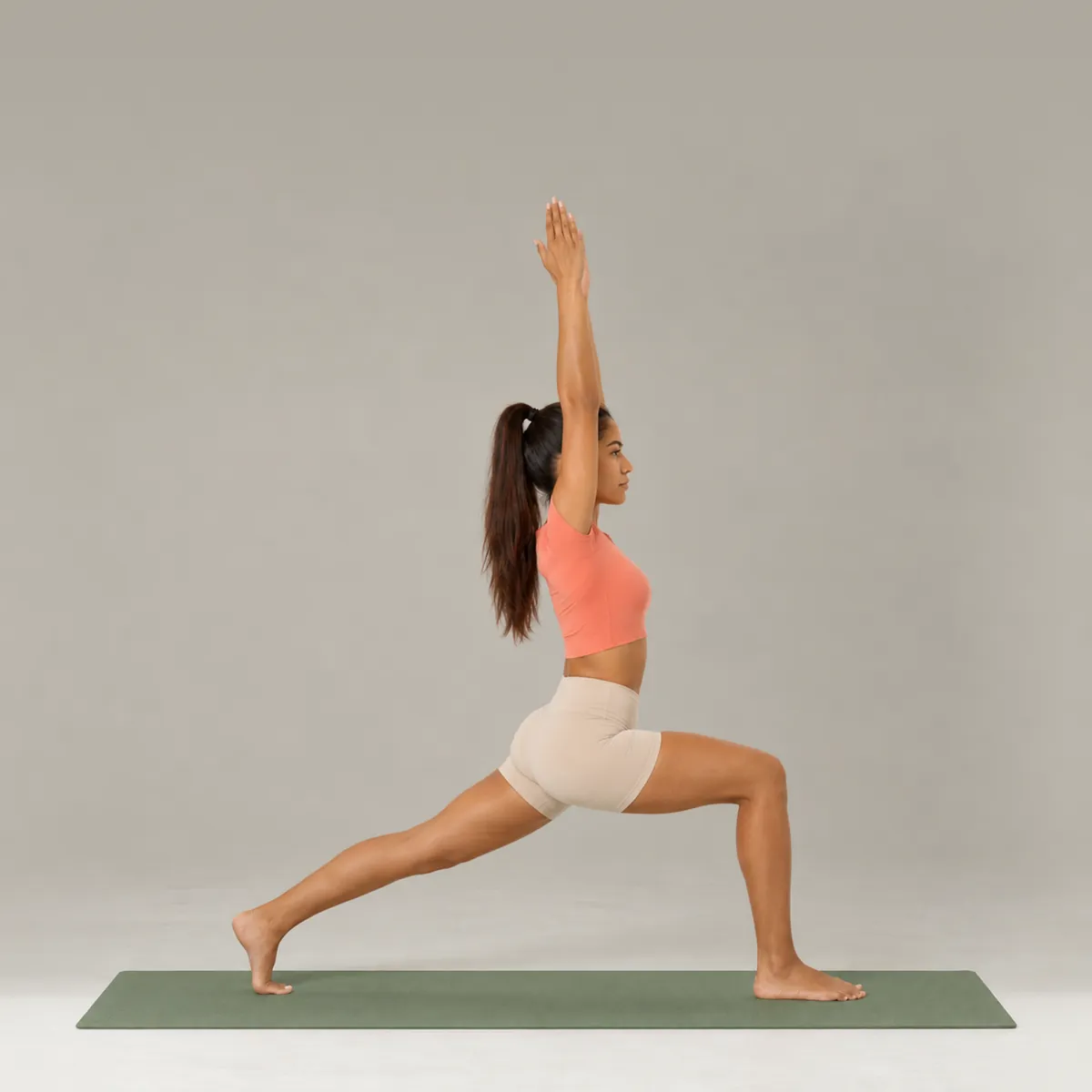 Yoga · Beginner
3. Crescent lunge
Ashta Chandrasana
A standing lunge that builds strength and balance while stretching the front of the back hip. Shorten the stance if your back knee wobbles.
How to do it →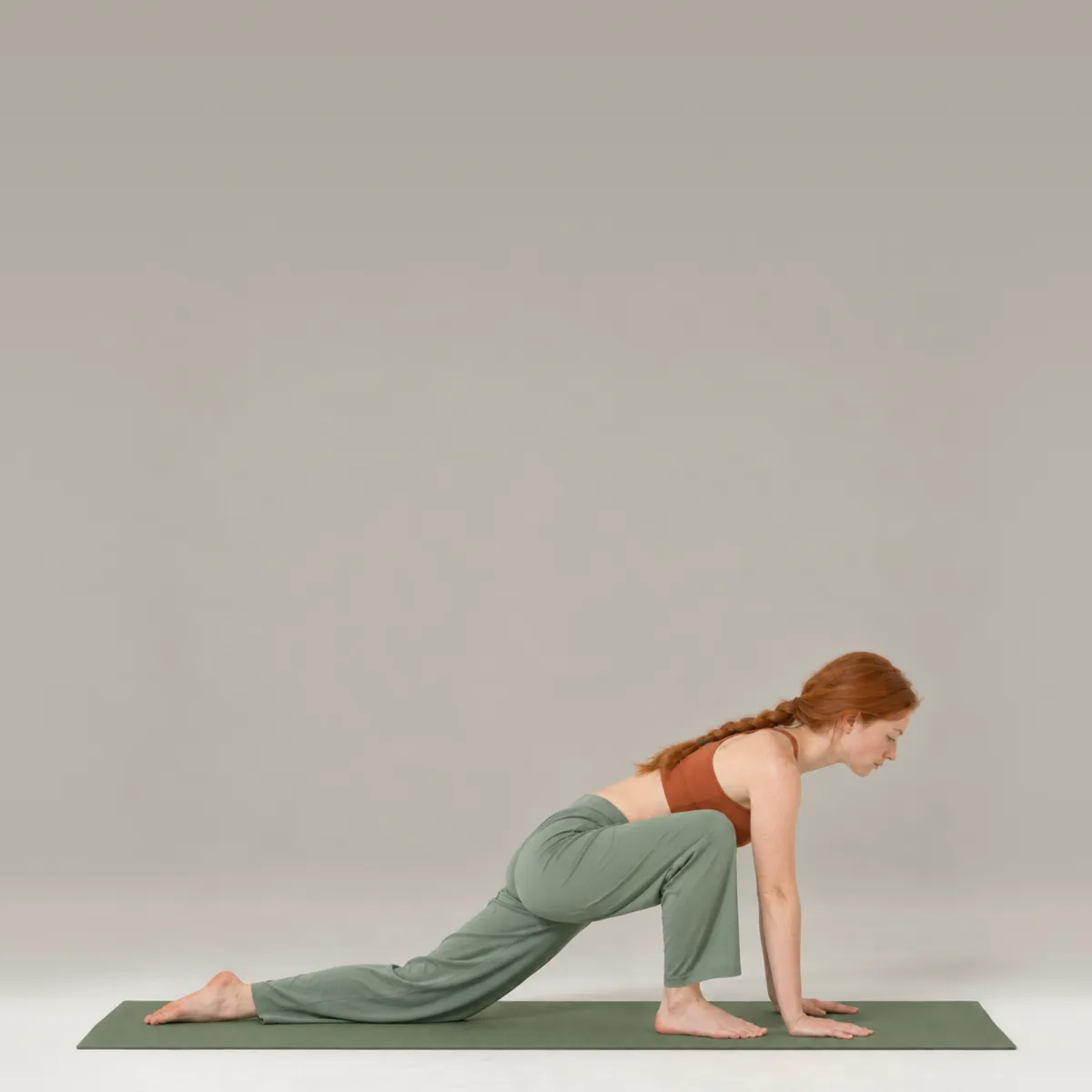 Yoga · Intermediate
4. Lizard pose
Utthan Pristhasana
A deeper hip opener for the inner thigh and the front of the hip. Lower the back knee and use blocks under the hands if the floor feels far away.
How to do it →- Pyramid poseYoga · Beginner
5. Pyramid pose
Parsvottanasana
Targets the hamstring of the front leg with a long spine. Hinge from the hips and keep a soft bend in the front knee.
How to do it → 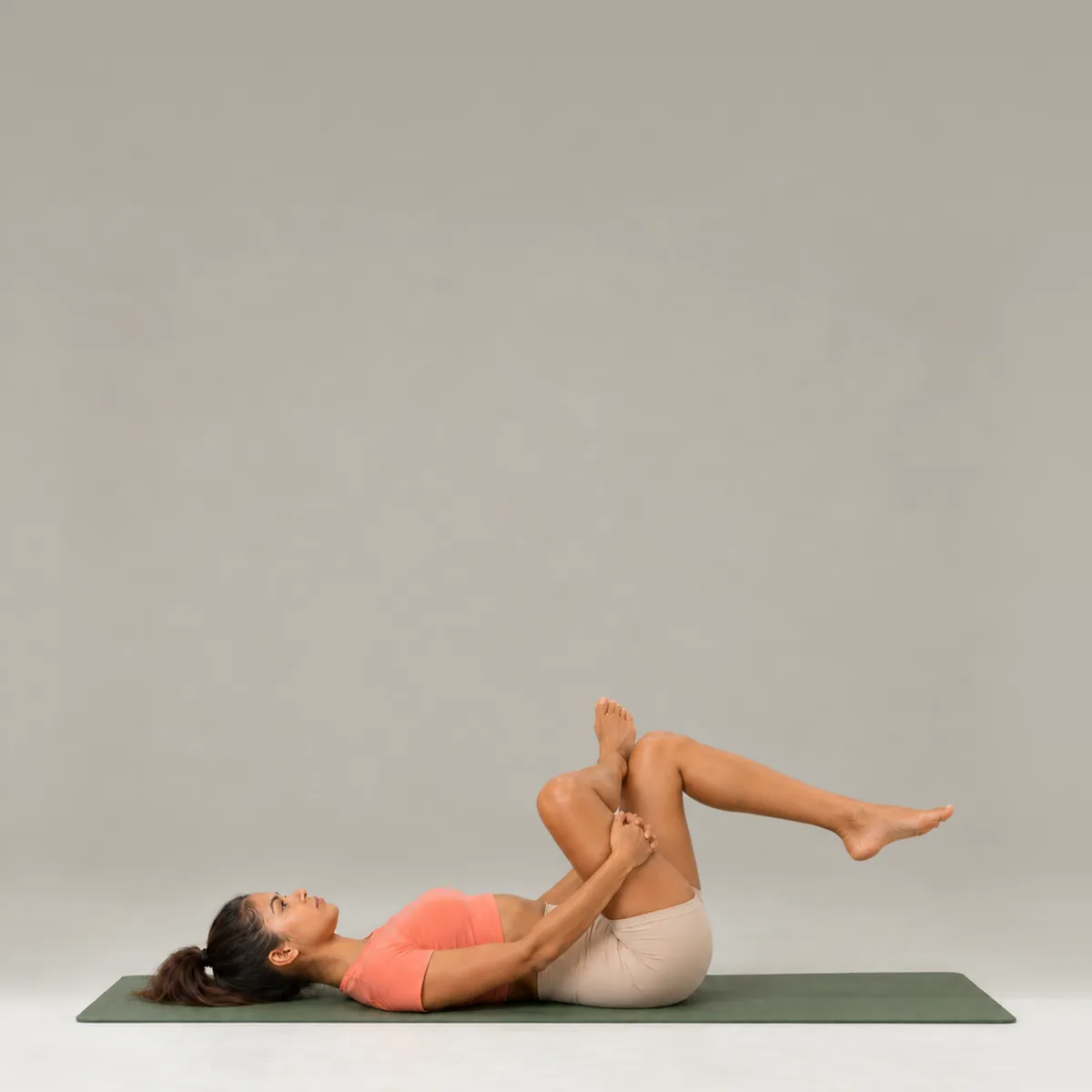 Yoga · Beginner
6. Reclined figure four
Supta Kapotasana
Eases the outer hip and glutes without any weight on the knee. Draw the legs in only as far as your lower back stays heavy on the floor.
How to do it →- Pigeon poseYoga · Intermediate
7. Pigeon pose
Eka Pada Rajakapotasana
A deeper outer hip stretch for runners who are comfortable with figure four. Slide a folded blanket under the front hip to stay level.
How to do it → 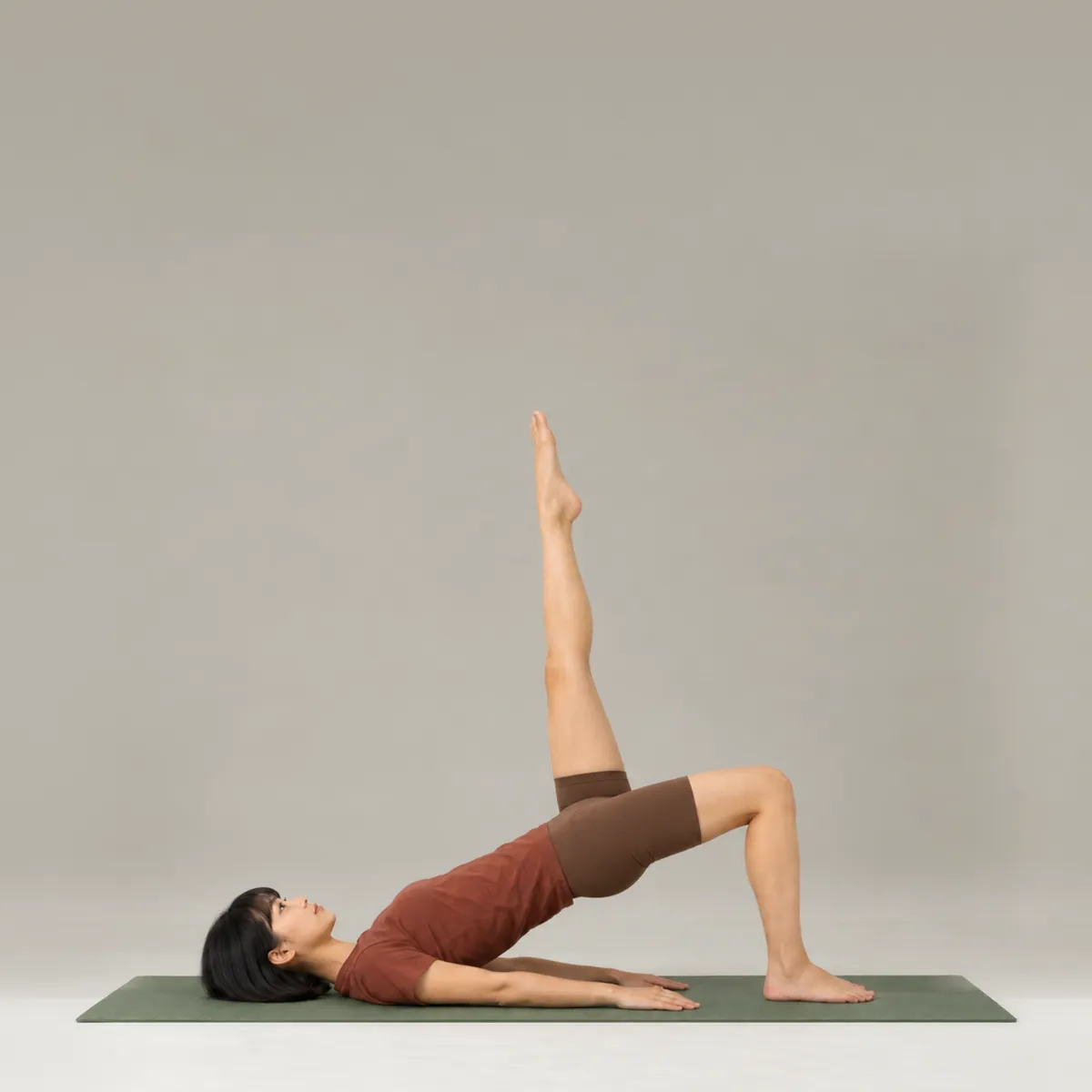 Yoga · Beginner
8. Bridge pose
Setu Bandha Sarvangasana
Wakes up the glutes, which many runners rely on less than they could. Press through the heels and keep the knees pointing forward.
How to do it →- Supine twistYoga · Beginner
9. Supine twist
Supta Matsyendrasana
Releases the lower back and outer hips after a long run. Let the knees fall to one side and keep both shoulders resting on the floor.
How to do it → - Legs up the wallYoga · Beginner
10. Legs up the wall
Viparita Karani
A restful way to finish. Many runners like how it feels on tired legs after a long effort.
How to do it →
Put it together
A 15-minute post-run routine: start in downward dog and pedal the feet for a minute. Step into low lunge on each side, then lift into crescent lunge for a few breaths. Lower into lizard pose, then straighten the front leg into pyramid pose on each side. Come to your back for bridge pose, then reclined figure four or pigeon on each side. Finish with supine twist and two to five minutes of legs up the wall. Hold each stretch for five to eight slow breaths.
Questions about this collection
Should runners do yoga before or after running?
Most runners do gentle, dynamic movement before a run and longer holds afterward or on rest days. Save deep, long stretches for after the run, when the body is warm.
How often should runners do yoga?
Two or three short sessions a week is a realistic place to start. Ten to fifteen minutes after a run is enough to make yoga a regular part of training.
What yoga poses help tight calves?
Downward dog with alternating bent knees is one of the most useful. Pyramid pose and low lunge also stretch the back of the leg and the front of the hip that often tighten alongside the calves.
From the journal

Yoga for runners: poses for tight calves, hips, and hamstrings

What your tight hips are telling you
