Pose collection · 12 poses
Yoga poses for beginners
If you are new to yoga, you do not need fifty poses. You need a small set you can do well, because most beginner classes and apps are built from the same dozen shapes repeated in different orders.
The poses below are the ones worth learning first. Each one teaches a skill you will use everywhere else: rooting through the feet, lengthening the spine, bending the knees safely, and breathing steadily while you hold still.
By Fayeed Pawaskar · Open any pose for full steps, a form checklist, and common mistakes
 Yoga · Beginner
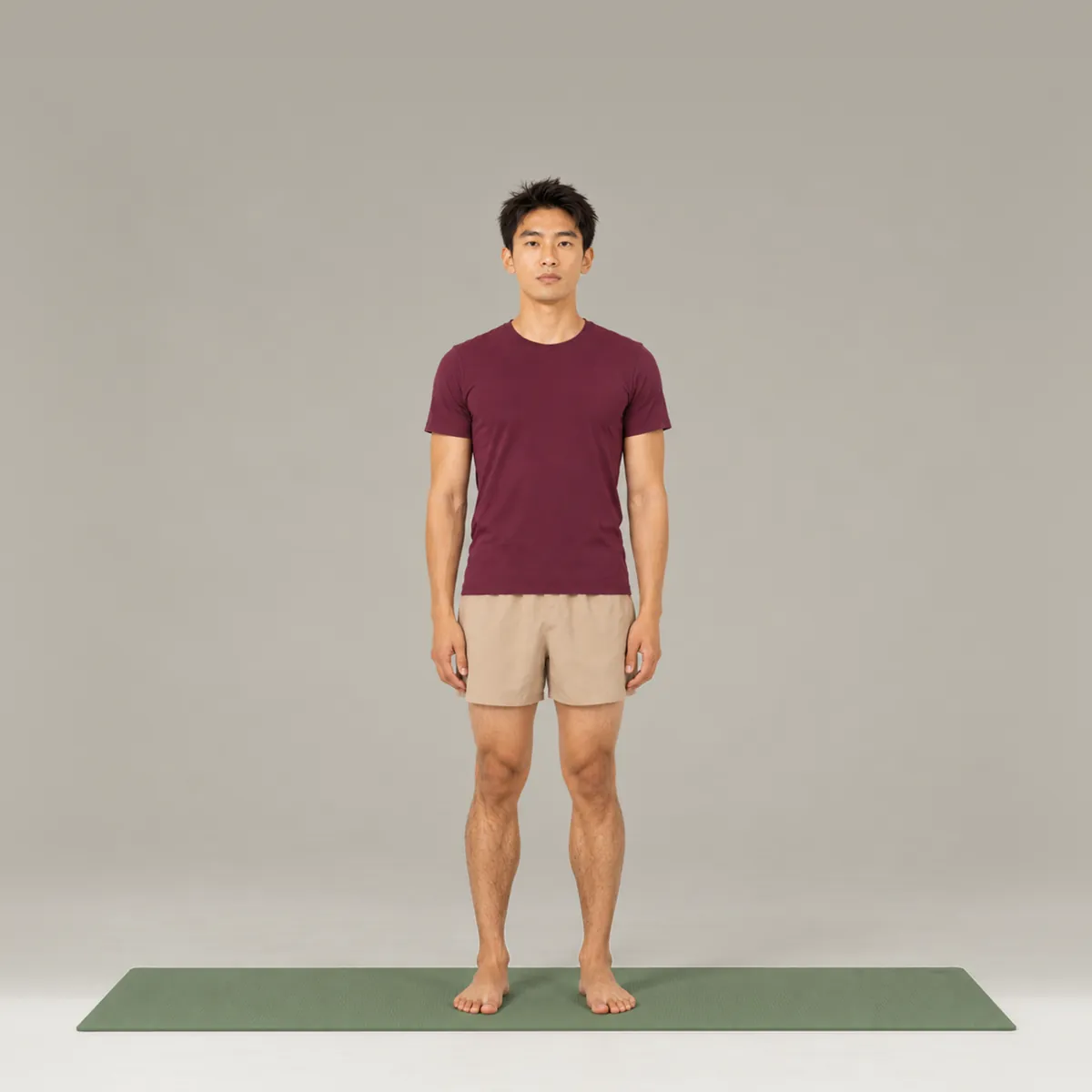
1. Mountain pose
Tadasana
Teaches you how to stand: weight spread through both feet, ribs stacked over hips, and a long neck. Almost every standing pose starts here.
How to do it →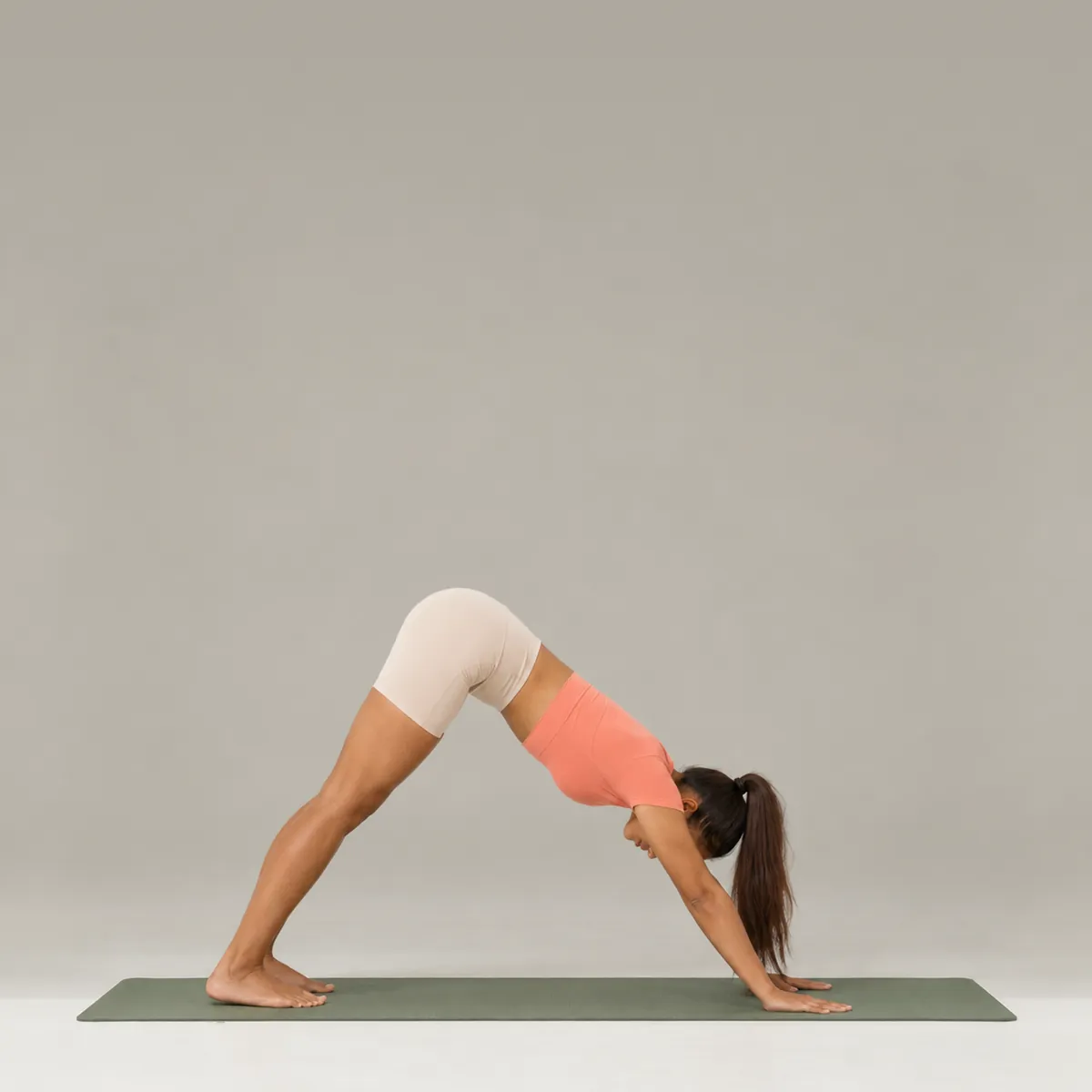 Yoga · Beginner
2. Downward facing dog
Adho Mukha Svanasana
The pose you will see most. Learn it with bent knees first so the length goes into your spine instead of forcing your heels down.
How to do it →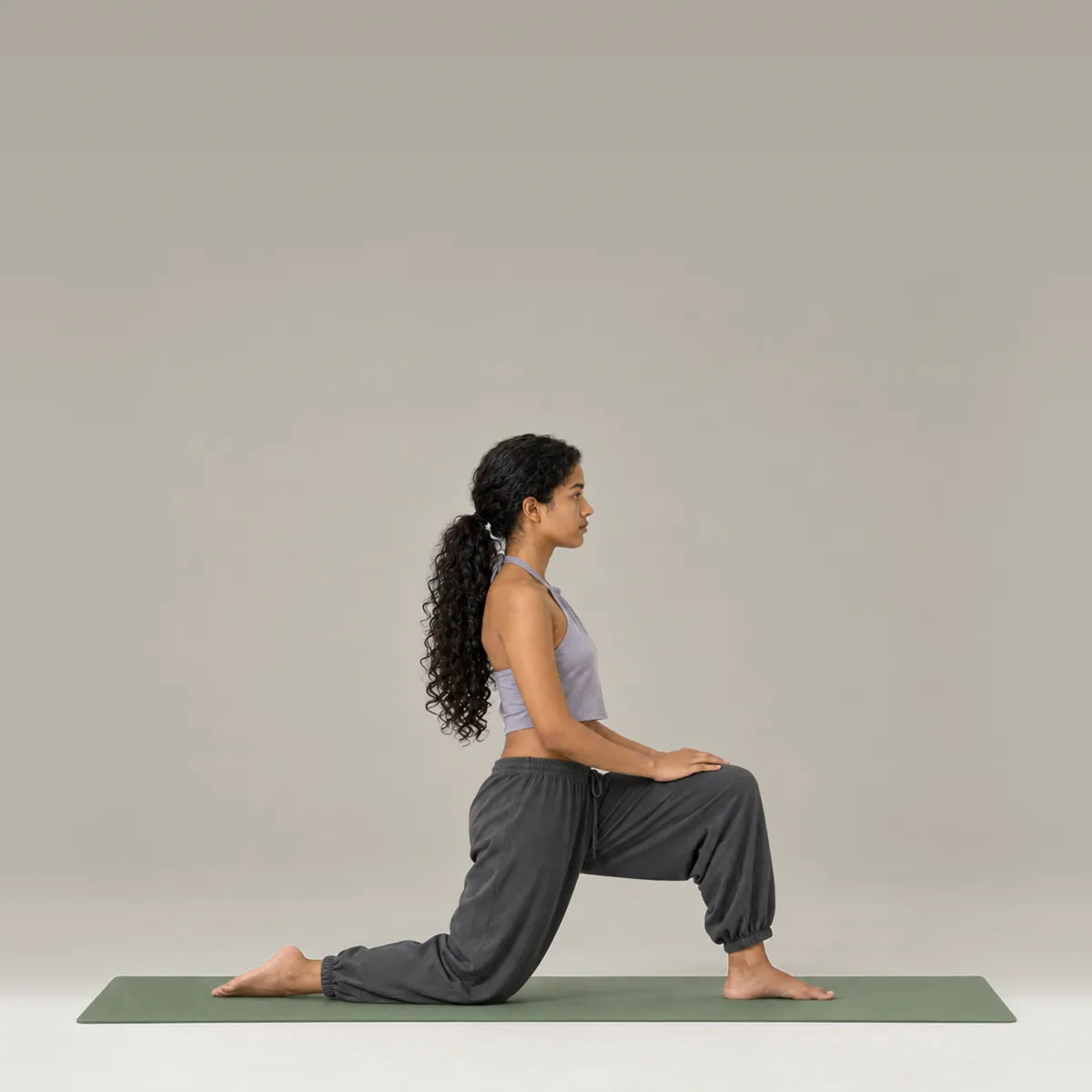 Yoga · Beginner
3. Low lunge
Anjaneyasana
A gentle way to open the front of the hip and learn to keep the front knee over the ankle.
How to do it →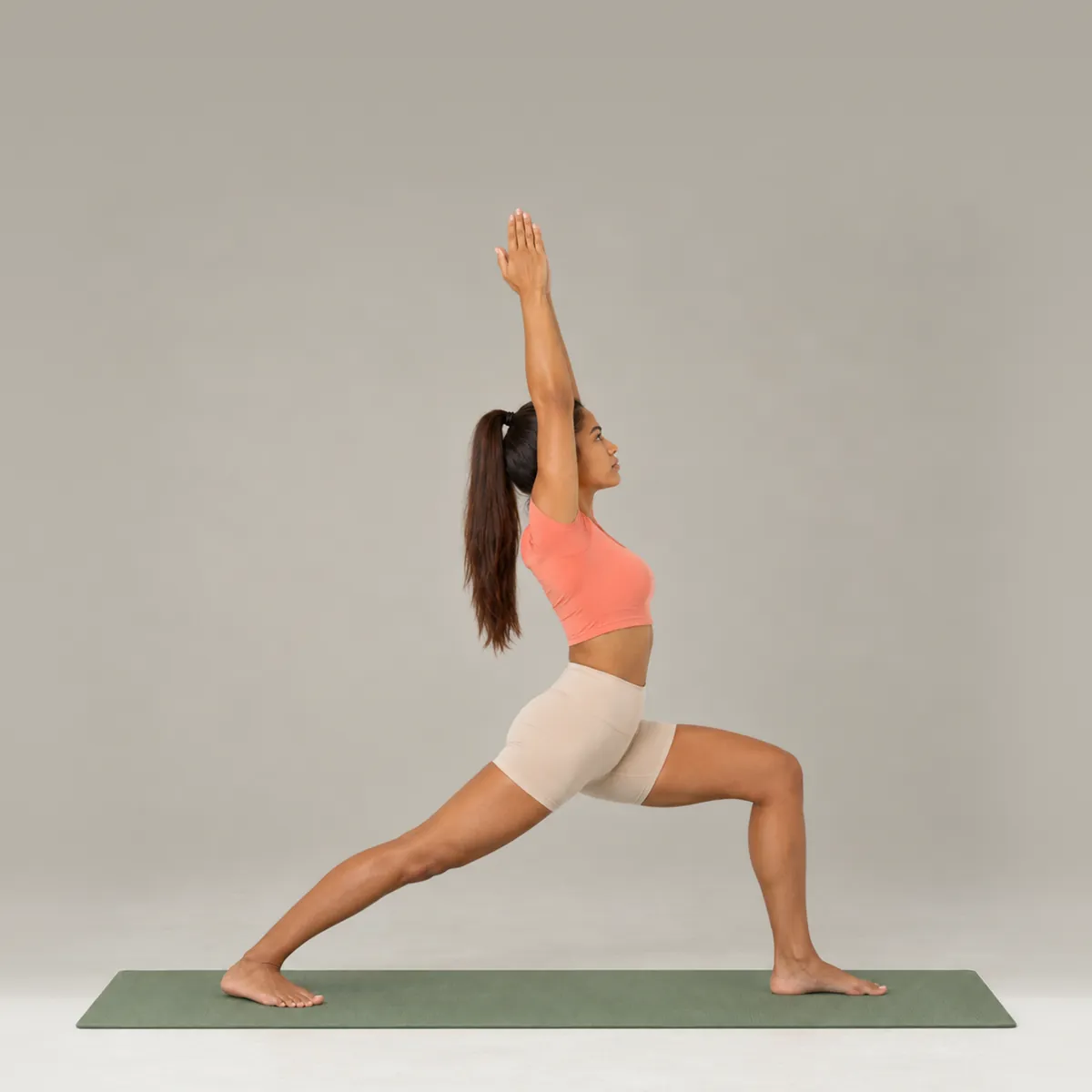 Yoga · Beginner
4. Warrior I
Virabhadrasana I
Builds leg strength and teaches a lifted chest with the back heel grounded.
How to do it →- Warrior IIYoga · Beginner
5. Warrior II
Virabhadrasana II
Teaches the open-hip stance used in many standing poses, and the habit of tracking the front knee over the middle toes.
How to do it → 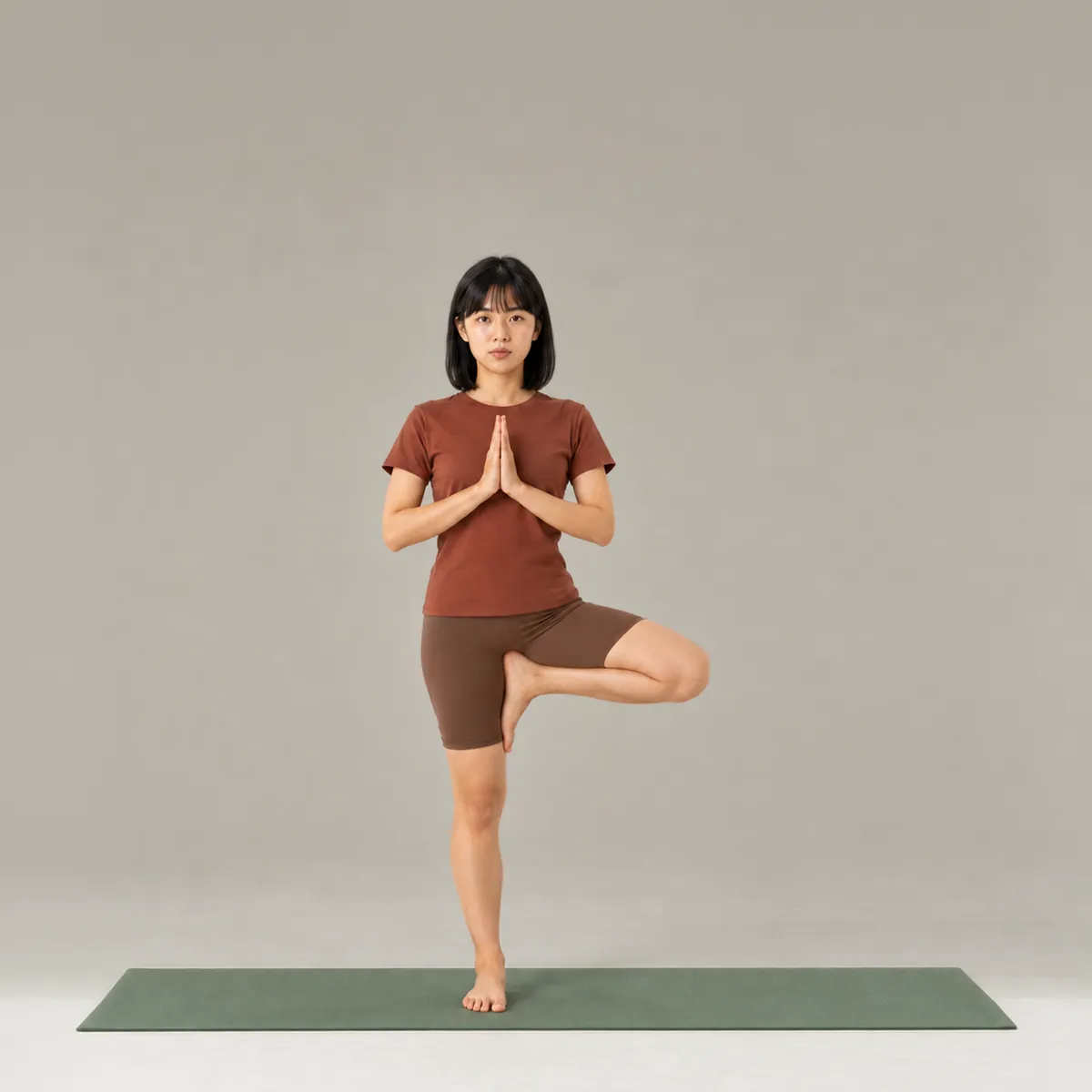 Yoga · Beginner
6. Tree pose
Vrksasana
A first balance that rewards focus over flexibility. Place the foot on the calf or thigh, never on the side of the knee.
How to do it →- Chair poseYoga · Beginner
7. Chair pose
Utkatasana
Strengthens the thighs and glutes and shows you how to sit the hips back without letting the knees cave in.
How to do it → - Cat-cowYoga · Beginner
8. Cat-cow
Marjaryasana-Bitilasana
Moves the spine through flexion and extension with the breath. It is the easiest way to learn breath-led movement.
How to do it → - Cobra poseYoga · Beginner
9. Cobra pose
Bhujangasana
A low, controlled backbend that strengthens the back. Let the back muscles lift you rather than pushing up with straight arms.
How to do it → 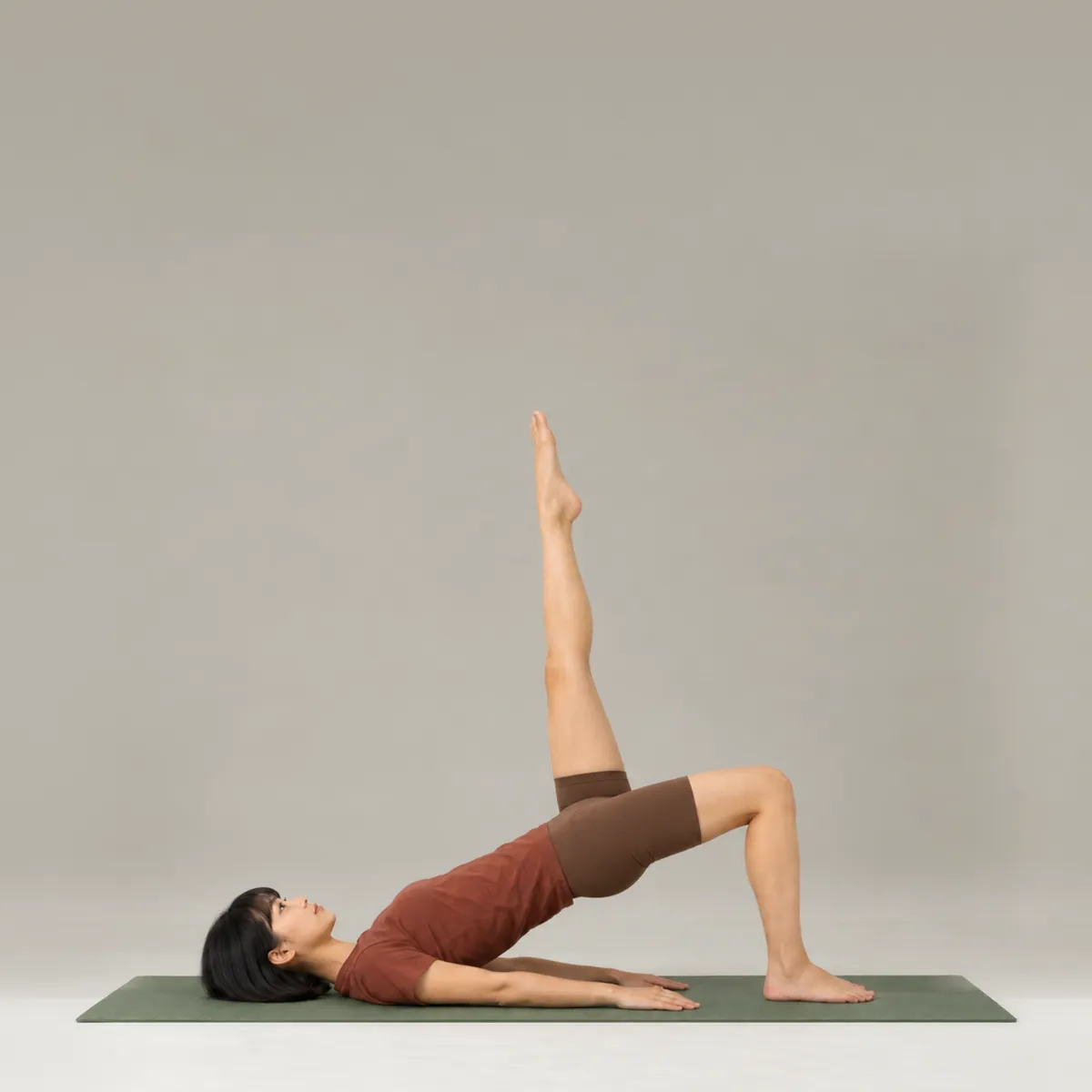 Yoga · Beginner
10. Bridge pose
Setu Bandha Sarvangasana
Wakes up the glutes and hamstrings and opens the front of the hips, all from a stable position on your back.
How to do it →- Child's poseYoga · Beginner
11. Child's pose
Balasana
Your resting pose. Come here any time you need to slow your breath, in any class, without asking.
How to do it → 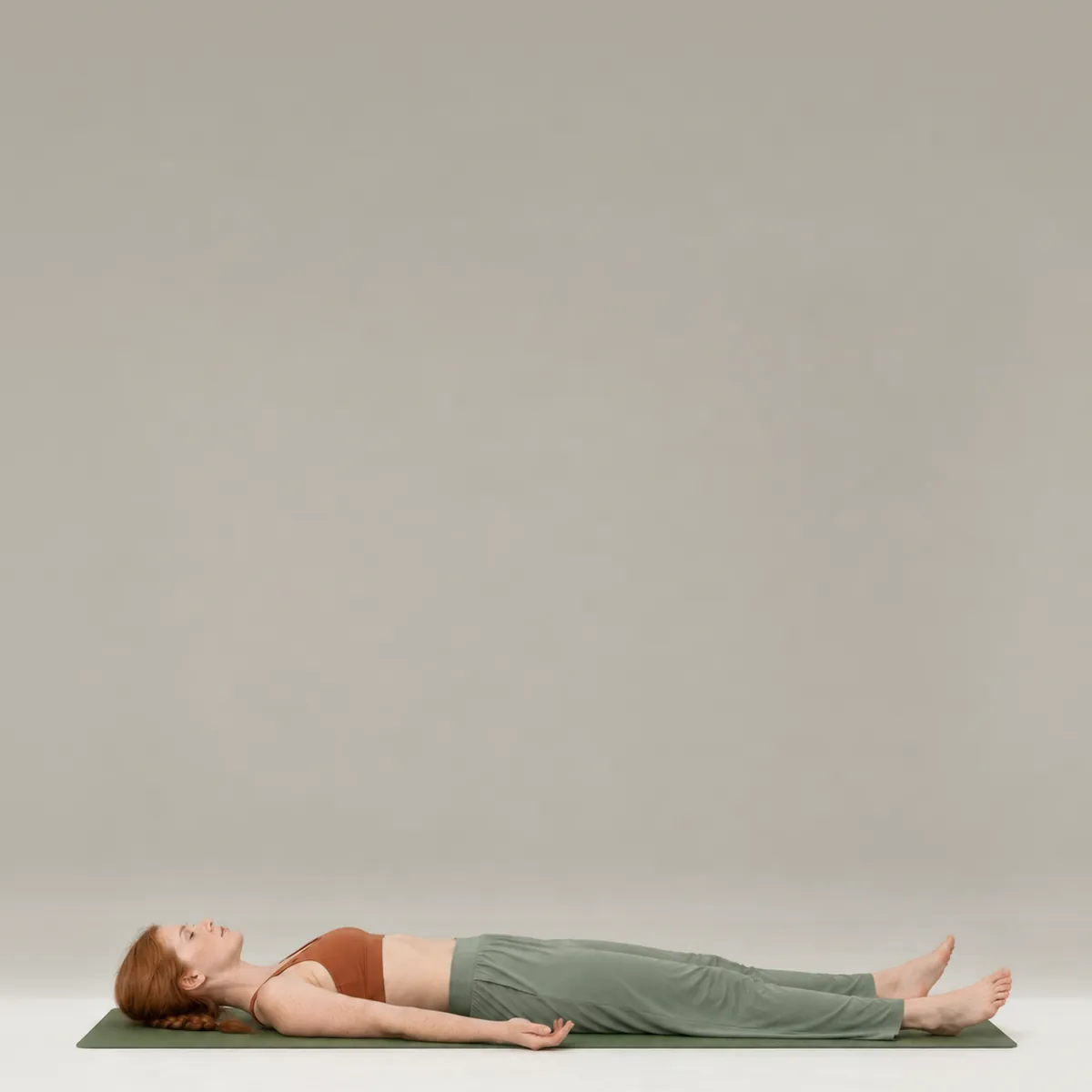 Yoga · Beginner
12. Corpse pose
Savasana
The final rest. A few minutes of stillness at the end lets your breath and heart rate settle before you get up.
How to do it →
Put it together
A simple first session: start on hands and knees with cat-cow, then press back to downward dog. Step forward into low lunge on each side, then stand up into mountain pose. Move through warrior I and warrior II on each side, balance in tree pose, and strengthen with chair pose. Come to the floor for cobra and bridge, then finish in child's pose and five minutes of corpse pose. Hold each shape for three to five slow breaths.
Questions about this collection
How many yoga poses should a beginner learn first?
A dozen is plenty. Most beginner sessions repeat the same core shapes, so learning ten to fifteen poses well will let you follow almost any beginner class.
How long should beginners hold each pose?
Three to five slow breaths is a good starting point for most poses. Resting poses like child's pose and corpse pose can be held for several minutes.
Do I need to be flexible to start yoga?
No. Flexibility is something yoga builds over time. Bend your knees, use blocks or a folded blanket, and focus on the shape of your spine rather than how deep you go.
From the journal

Beginner yoga form: how to know if you are doing it right

How to start yoga at home when you have never done it
