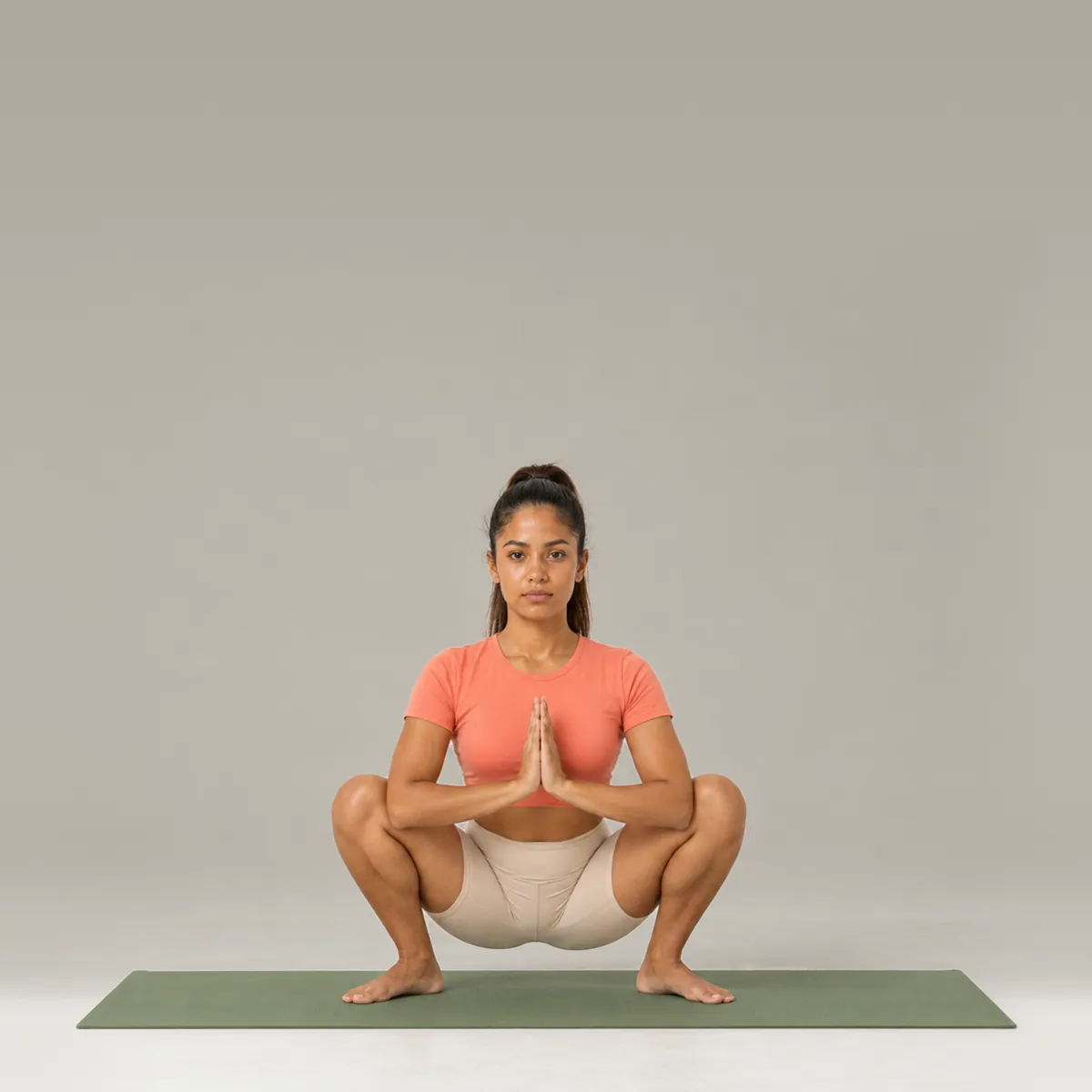
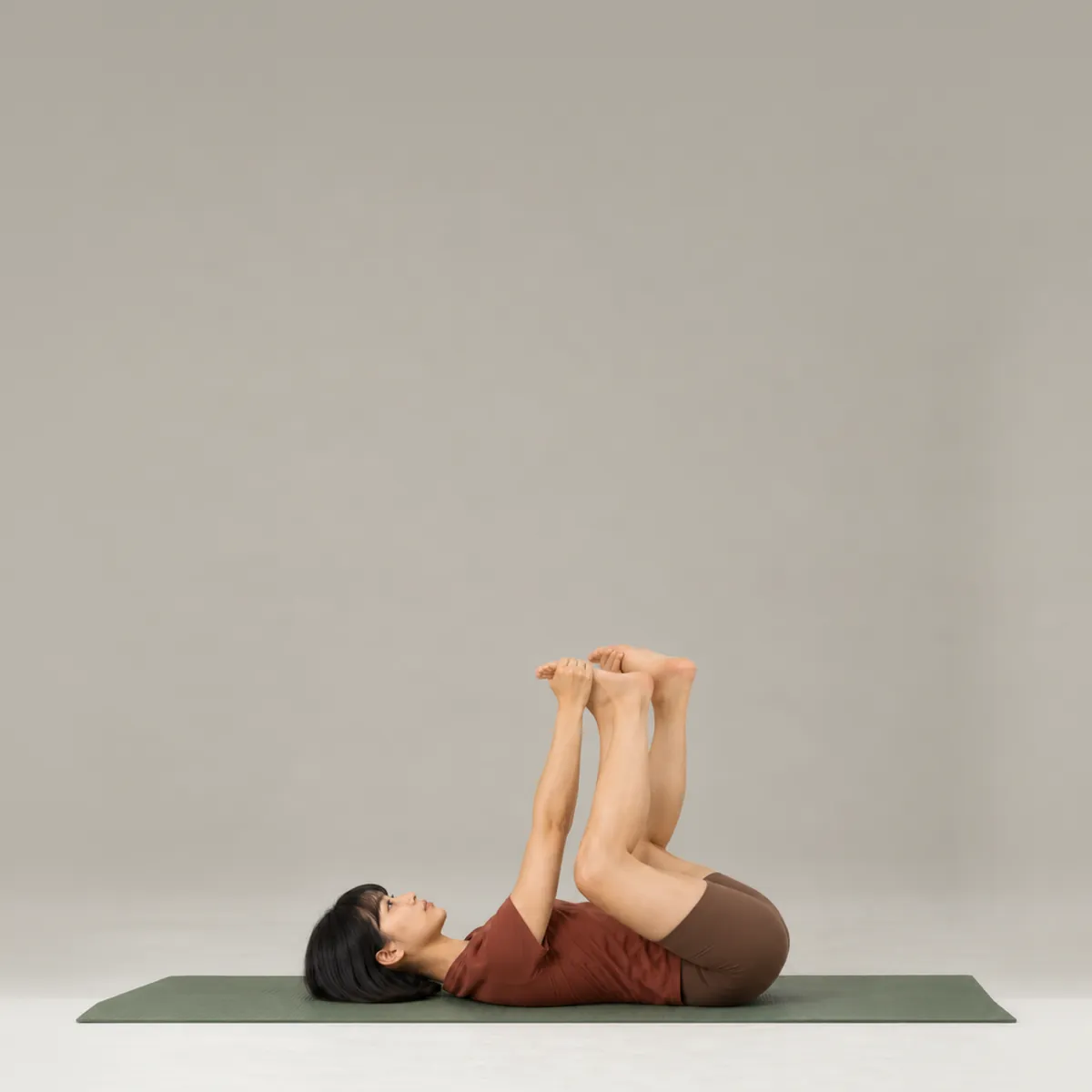
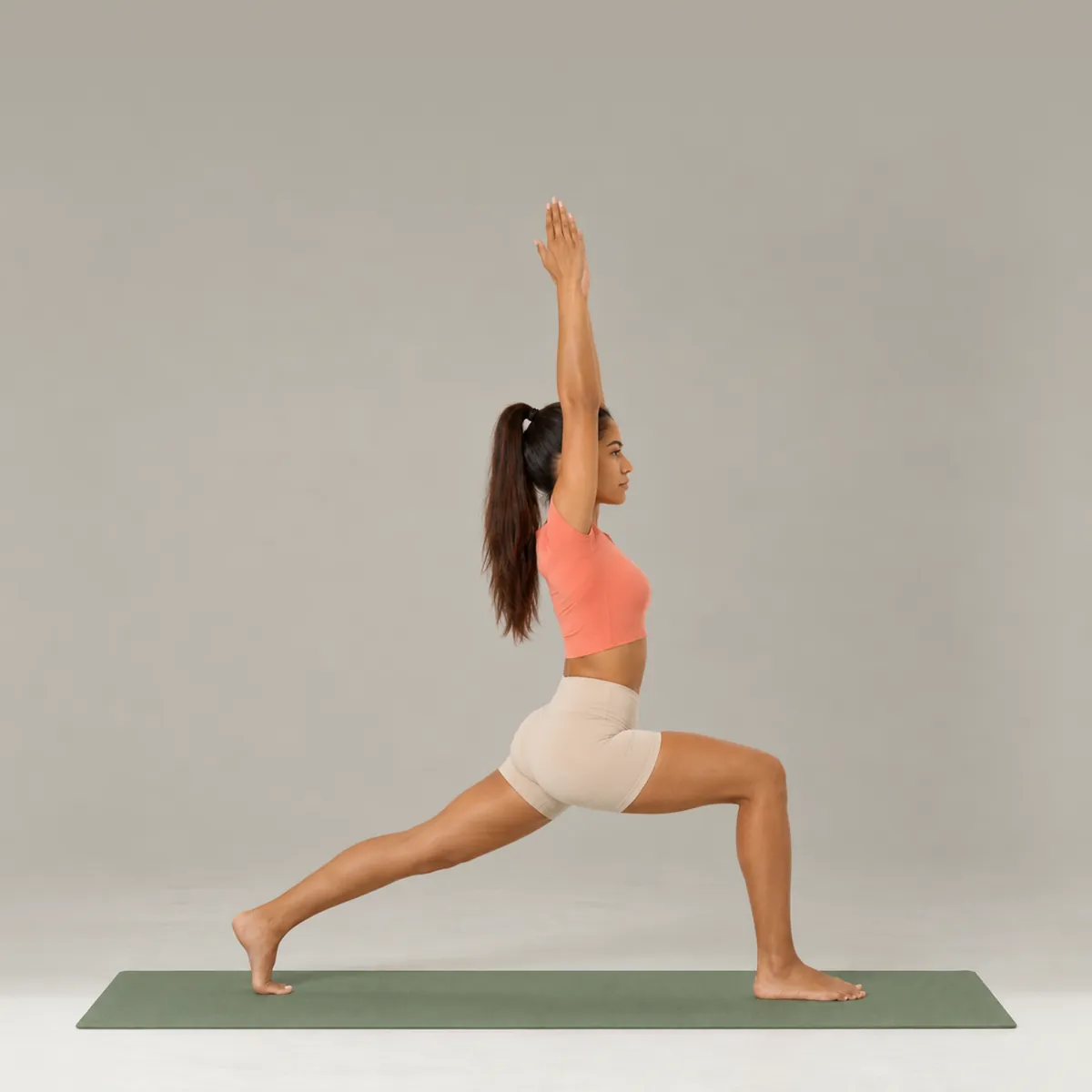
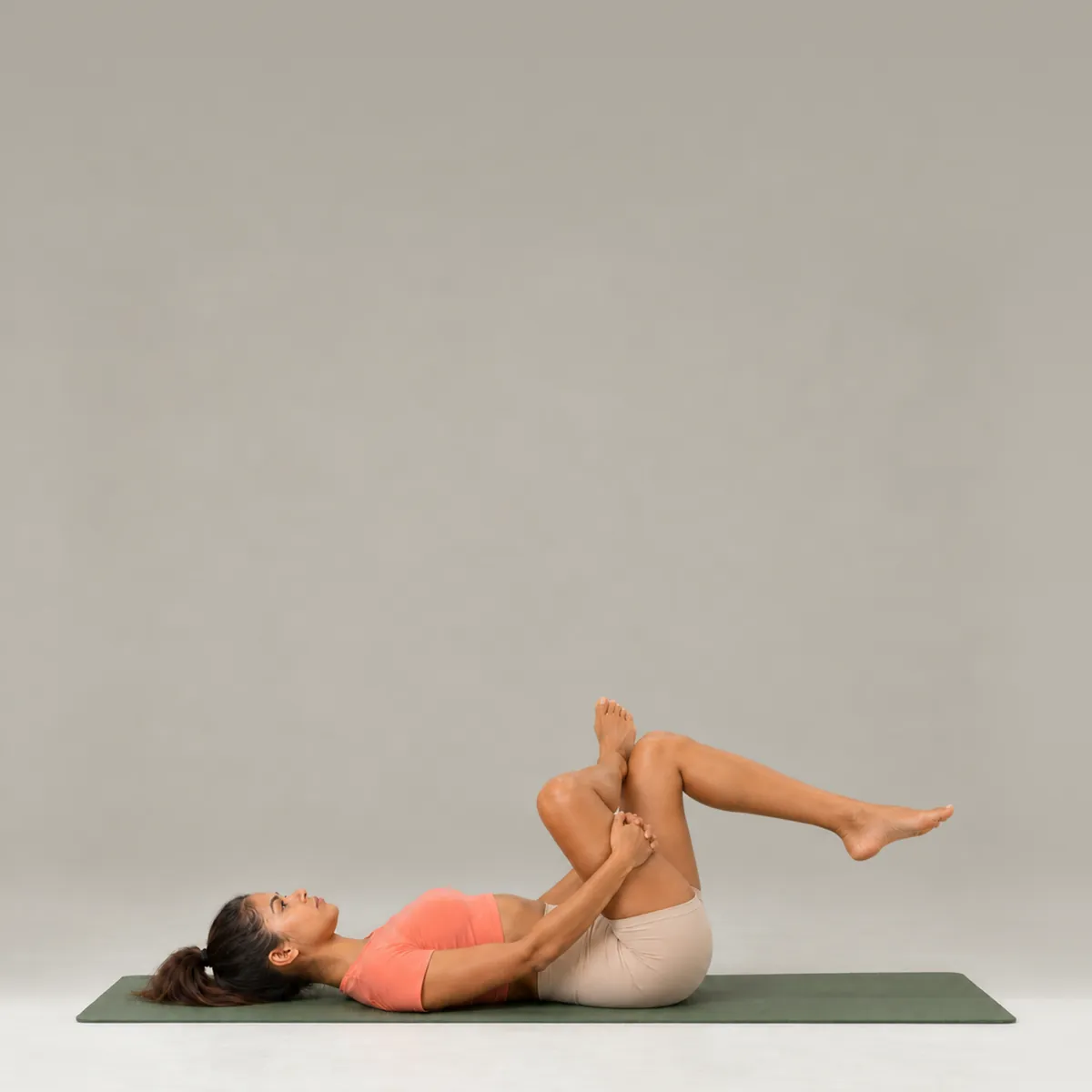
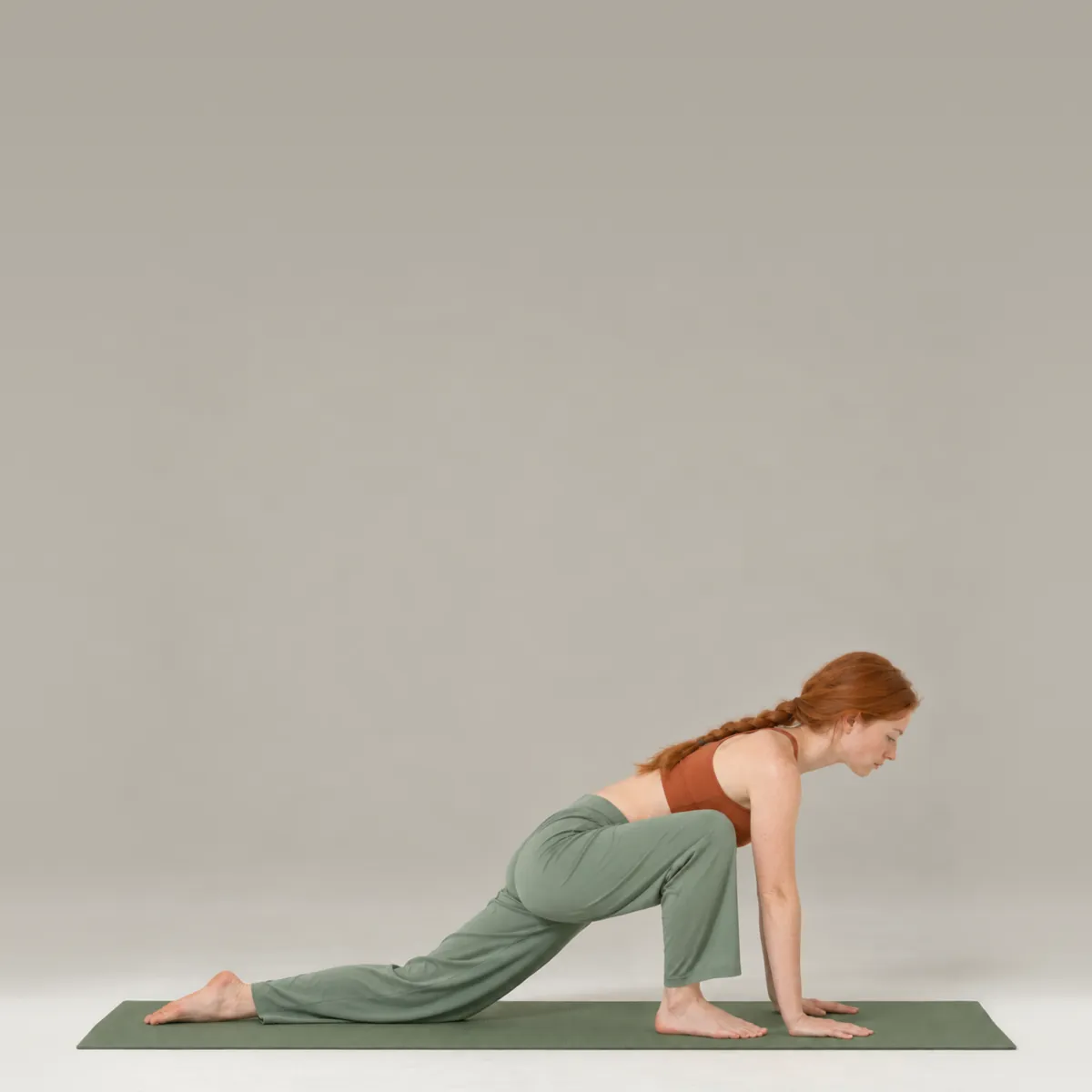
What your tight hips are telling you

Tension is information. Learning to read it is the first step to releasing it.
Tight hips can mean many things: long sitting, underused glutes, bracing through stress, or simply a body asking for a slower warmup. The useful question is not "How do I force this open?" It is "What changes when I support it?"
Mobility needs stability
A hip often protects itself when it does not feel supported. That is why yoga and pilates can work well together: mobility work creates range, while stability work helps your body trust that range.
- Warm up before long holds like pigeon pose.
- Use props before forcing depth.
- Notice whether tension is dull, sharp, or changing with breath.
Kova adapts around those signals by balancing release work with strength and control.
Tight does not always mean short
A muscle can feel tight because it is shortened, but it can also feel tight because it is tired, guarding, or being asked to stabilize more than it can handle. That is why forcing a deeper stretch sometimes makes the same sensation return the next day.
The more useful approach is to ask what the hip needs in order to relax: warmth, support, strength, a smaller range, or a slower pace. Different days may give different answers.
Read the quality of sensation
Dull pressure that eases with breath is different from sharp sensation that makes you brace. A stretch that becomes calmer over time is different from one that gets louder the longer you hold it. Those details matter more than how impressive the shape looks.
Real-time guidance can help you adjust before the body starts protecting itself. Sometimes the best cue is to bend the knee, square the pelvis, use a block, or come out earlier than planned.
The goal is not to win range. The goal is to make range usable.
A coach that sees you move.
Pre-order Kova on the App Store. It downloads automatically on release day, and your first practice is free.