Pilates vs yoga: which should you start with?

They look similar on a mat, but they train different things. Here's how to choose, and why many people end up doing both.
Pilates vs yoga is one of the most common questions people ask before they start moving at home. Both happen on a mat, both ask for slow control, and both promise better posture and a stronger core. From the outside they can look almost identical.
They are not the same practice, though, and the differences matter when you are choosing where to begin. This guide compares the two honestly: what each one trains, how a session feels, who tends to enjoy which, and why many people end up doing both.
The short version
Yoga tends to emphasize mobility, balance, and breath, moving through standing, seated, and resting shapes that are often held for several breaths. Pilates tends to emphasize core control and precise, repeated movements, usually lying down or seated, with the trunk staying stable while the arms and legs move.
Neither is better. They train overlapping skills from different directions, which is exactly why they pair so well.
What yoga trains
A typical yoga session moves through a range of shapes: downward facing dog, lunges, warrior poses, balances, gentle backbends, and twists. Many poses are held for three to five breaths or longer, which builds strength in long positions and gives the body time to find more range.
Many people find yoga most helpful for hips, hamstrings, and shoulders that feel stiff from sitting, for balance, and for learning to stay calm while effort is high. Breath is central. In most styles, the breath sets the pace of movement and acts as a signal for when to ease off.
What pilates trains
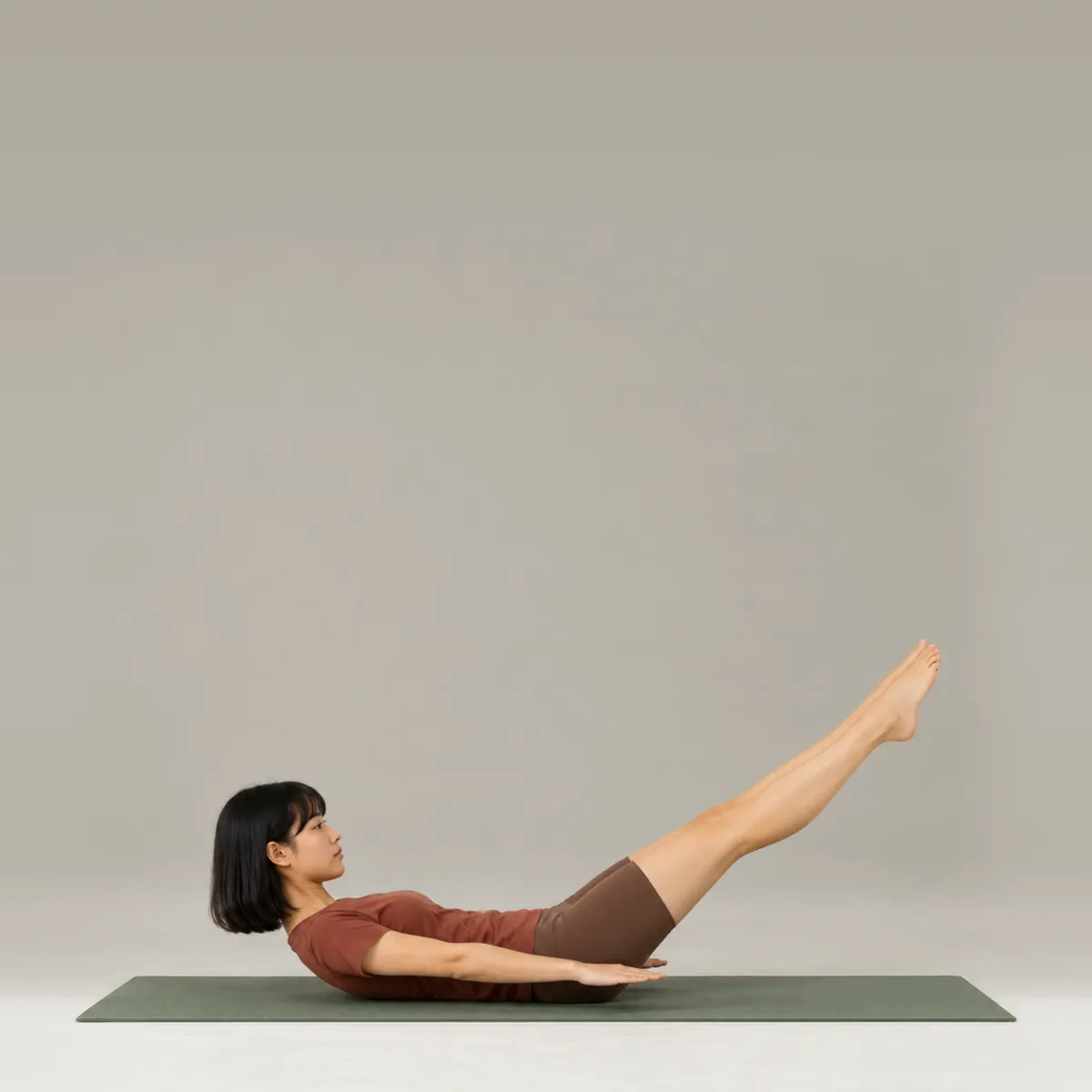
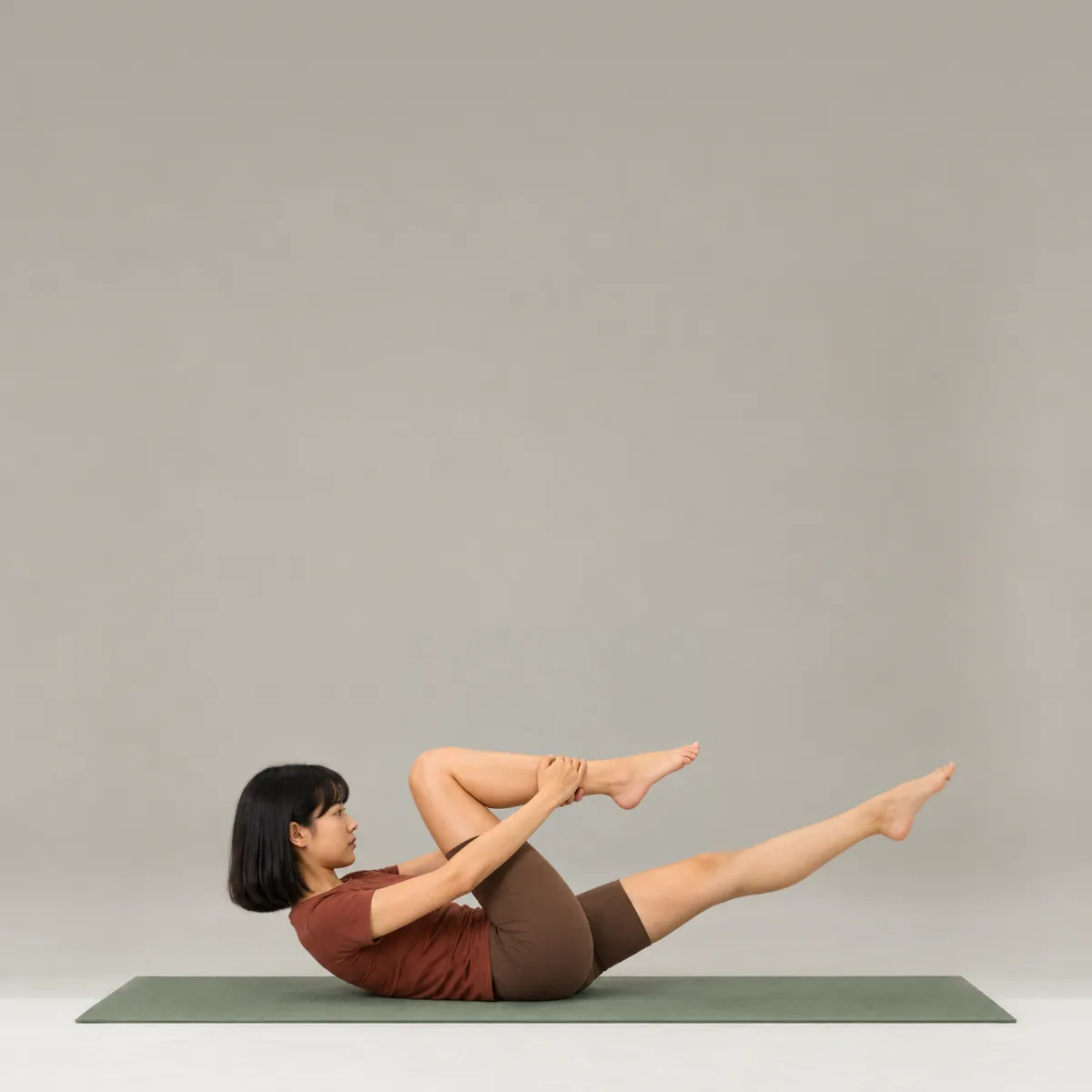
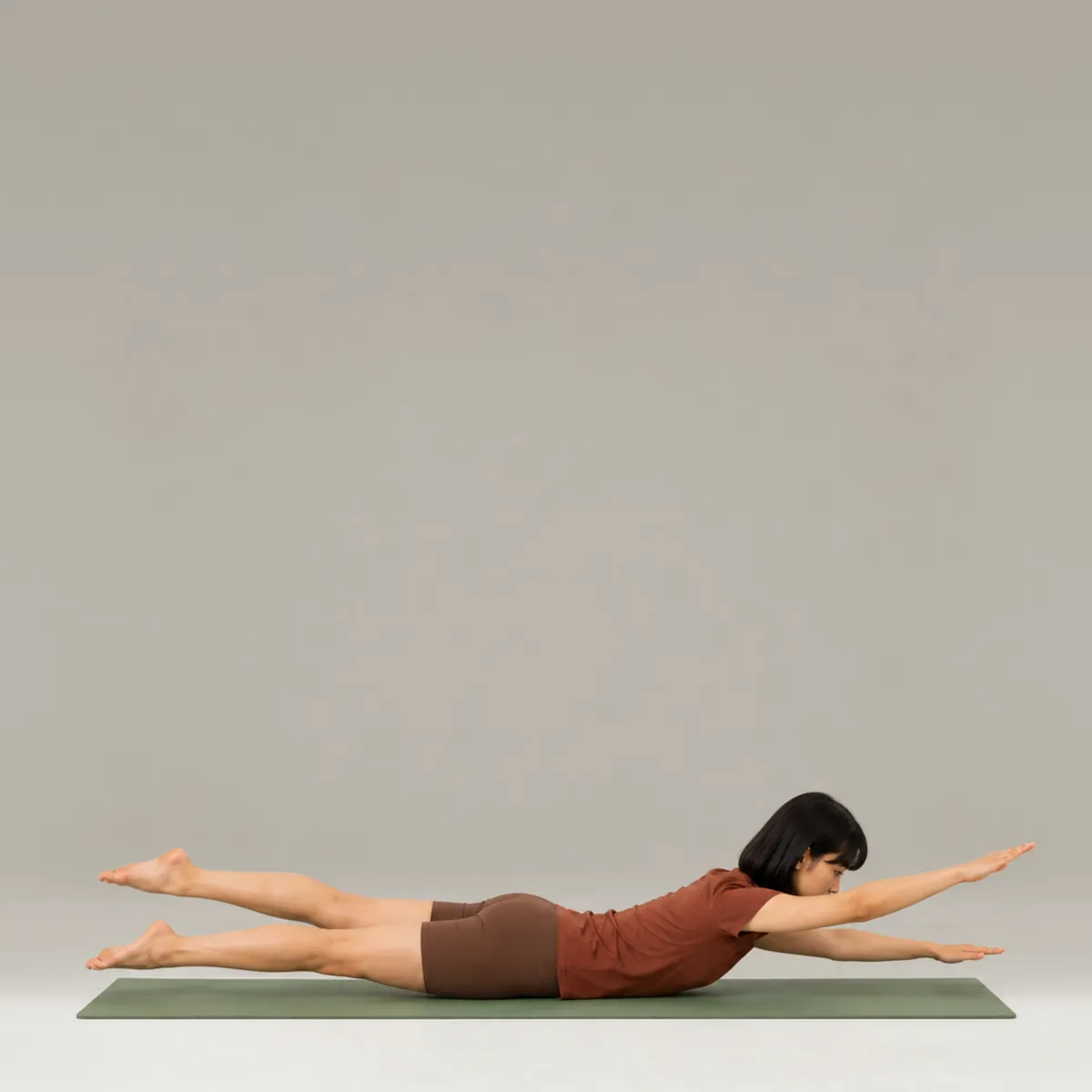
Pilates was developed by Joseph Pilates in the early twentieth century as a system of controlled exercises. Mat pilates, the version most people do at home, works through movements like the hundred, the roll-up, single leg stretch, and swimming.
The focus is on the deep abdominal muscles, a stable pelvis, and a spine that moves one section at a time. Repetitions are usually low and deliberate. Pilates can feel deceptively hard: a small movement done with full control often works more than a big one done with momentum.
How they compare side by side
- Core strength: both build it. Pilates targets it more directly, in nearly every exercise.
- Flexibility: yoga usually spends more time in stretching positions, especially for the hips and hamstrings.
- Balance: yoga includes more standing balance work, such as tree pose.
- Posture: both can help. Pilates trains the deep stabilizers, while yoga trains awareness of alignment through the whole body.
- Pace: yoga often flows between held shapes. Pilates often repeats one precise movement several times.
- Focus: yoga traditions place more emphasis on breath and stillness, though both reward close attention.
Which should you start with?
Start with yoga if your main goal is to feel less stiff, improve balance, or find a calmer way to move. It is also a good fit if you like variety and enjoy holding shapes long enough to settle into them. Our guide to starting yoga at home covers your first four weeks.
Start with pilates if your main goal is core strength, a steadier trunk during everyday movement, or a more athletic, repetition-based session. It also suits people who find long holds frustrating. If that is you, these five beginner mat exercises are a gentle way in.
If you cannot decide, you do not have to. Two yoga sessions and one pilates session a week is a balanced starting point for many beginners, and the skills transfer: a stronger core makes balance poses steadier, and better hip mobility makes pilates leg work smoother.
Form matters in both
The common thread is that both practices depend on small details. In yoga, a front knee drifting inward changes how a lunge loads the hip. In pilates, a lower back lifting off the mat during the hundred shifts effort away from the abdominals. These are hard to notice alone, especially when you are new.
This is where Kova helps. It uses on-device pose tracking on your iPhone or iPad to notice visible alignment changes in both yoga poses and pilates exercises, then offers a calm spoken cue while you are still moving. Your camera feed never leaves your device, and if a cue is unclear, a "Not sure?" demo shows you the shape.
Whichever you choose, move within a range that feels like effort rather than pain. If you have an injury, are pregnant, or have a medical condition, check with a clinician before you start.
The better practice is the one that fills the gap in your week.
Questions this guide answers
Is pilates or yoga better for beginners?
Both are beginner-friendly. Yoga is a good start if you want mobility, balance, and a calmer pace. Pilates suits people who want focused core work. Many beginners do a mix of both each week.
Can you do pilates and yoga on the same day?
Yes. A short pilates session for core control followed by gentle yoga for mobility works well for many people. Keep the total effort manageable and leave easier days in your week.
Is pilates or yoga better for core strength?
Pilates targets the core more directly, since almost every exercise relies on a stable trunk. Yoga also builds core strength through poses like plank, boat pose, and standing balances, just less exclusively.
A coach that sees you move.
Pre-order Kova on the App Store. It downloads automatically on release day, and your first practice is free.