Pilates at home for beginners: five mat exercises to start with

No reformer, no studio. Just a mat and five foundational exercises that teach you how pilates works.
Pilates has a reputation for expensive studio machines, but its roots are on the mat. Mat pilates needs no equipment, fits in a small room, and builds the deep core strength, control, and posture that make everyday movement feel easier.
The catch is that pilates is a precision practice. The exercises look simple, and the difference between doing them well and going through the motions is in small details. Here are five foundational exercises and what to focus on in each.
Five exercises to start with
- Pelvic tilts: on your back, gently rock the pelvis to flatten and then arch the lower back, learning where neutral sits between them.
- Dead bug: arms up and knees over hips, slowly lower the opposite arm and leg while the lower back stays steady.
- Bridge: peel the spine off the mat one segment at a time, then lower slowly the same way.
- Side-lying leg lifts: lift the top leg with control, keeping the hips stacked and the waist long.
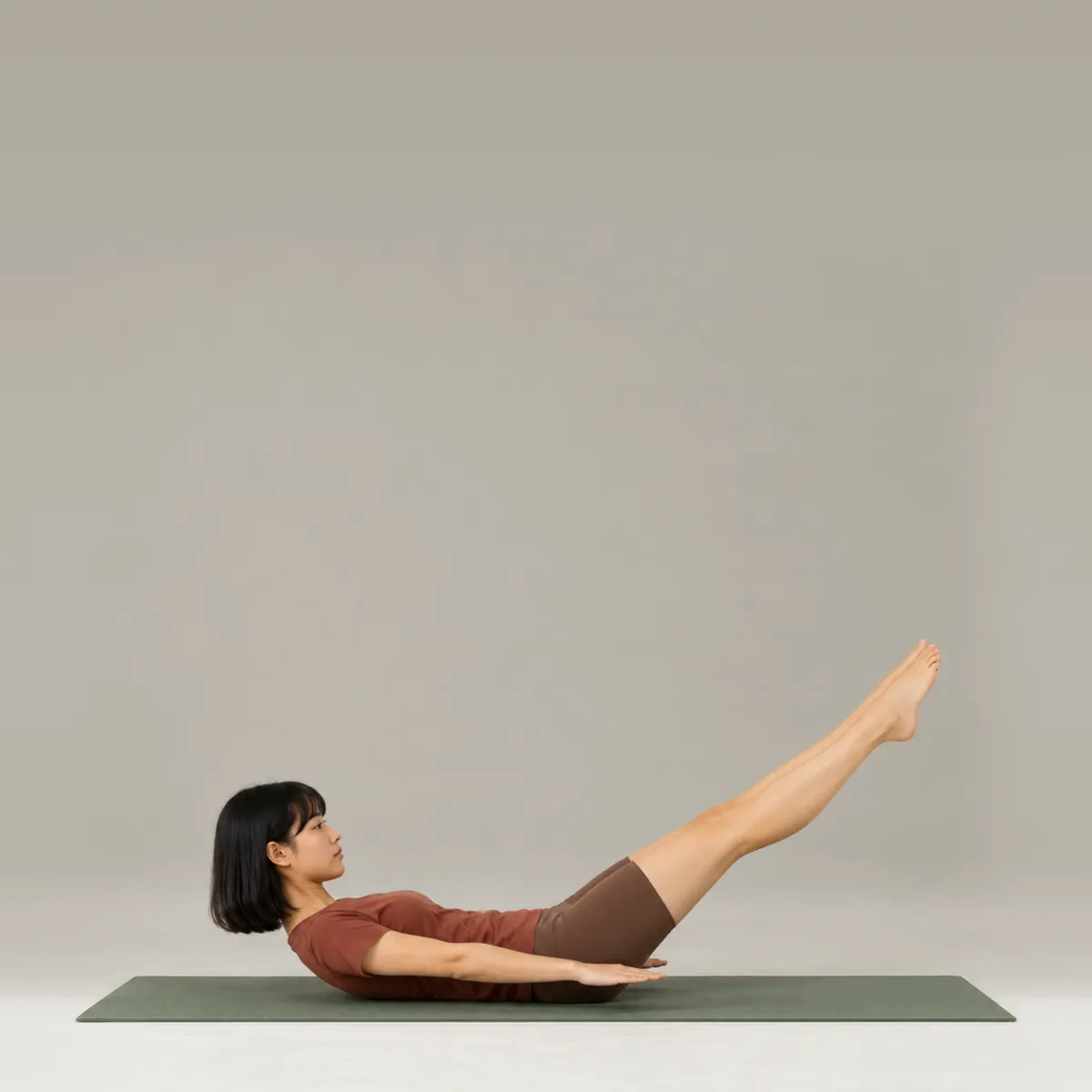
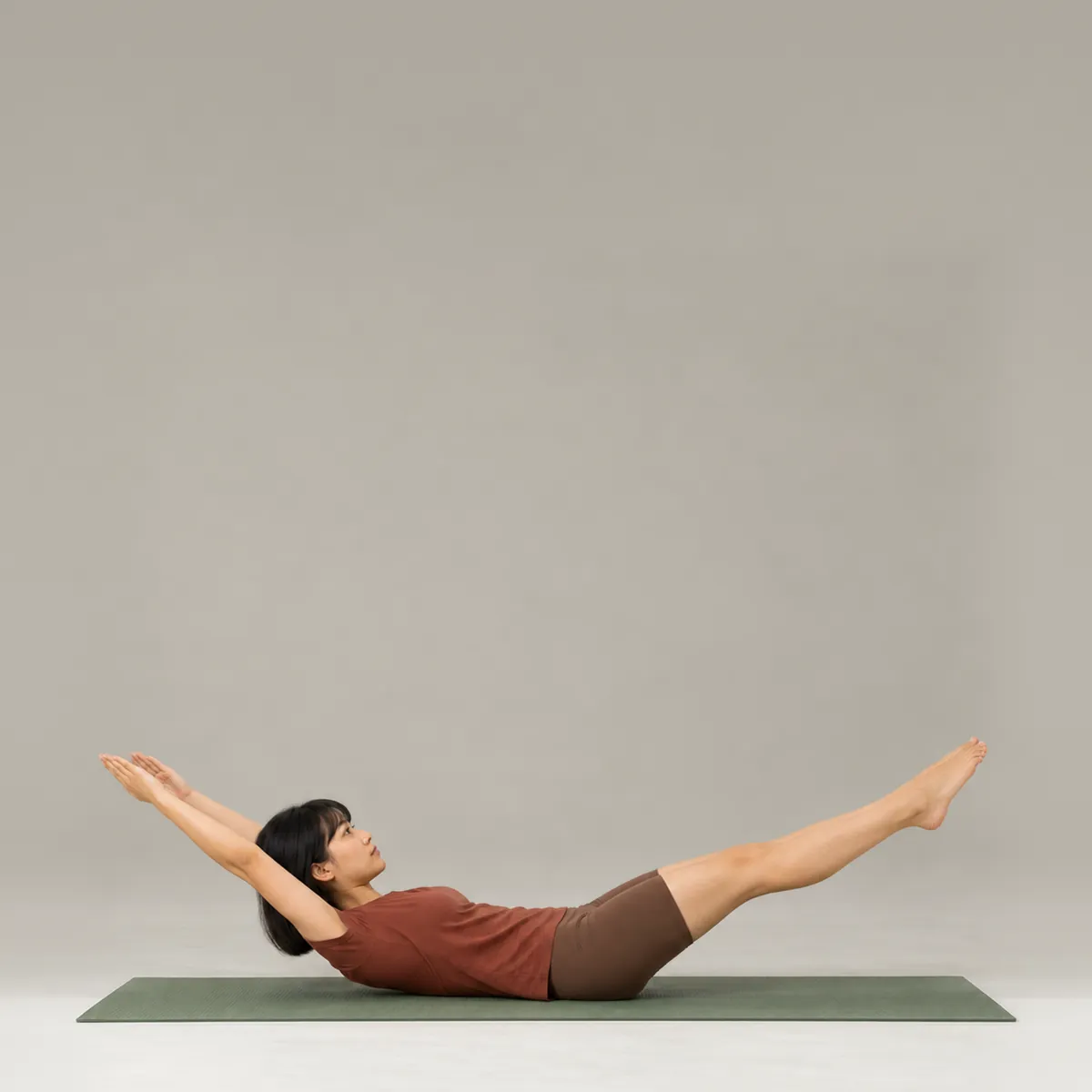
- The hundred, modified: head down or knees bent, pump the arms while breathing in for five counts and out for five.
Do each for about a minute, resting as needed. Quality matters far more than repetitions. Five slow, controlled reps teach your body more than twenty fast ones.
The principles that make it pilates
What separates pilates from a generic core workout is how you move. Breath is coordinated with effort, usually exhaling as you work. Movements are slow and controlled in both directions. And there is constant attention to where the ribs, pelvis, and spine are.
That last part is where beginners struggle most at home. In dead bug, for example, the lower back often lifts off the mat as the leg lowers. It is a tiny change, hard to feel, and it shifts the work from your deep core to your lower back.
Common beginner mistakes
Holding the breath is the most common. The second is moving too fast, which uses momentum instead of control. The third is ribs flaring open when the arms go overhead or the legs extend, which often means the core has let go. If you notice any of these, reduce the range and slow down.
Getting feedback at home
In a studio, a pilates instructor watches for these details constantly. At home, you need another way to catch them. A mirror helps for some exercises, but you cannot watch a mirror while lying on your back.
Kova was built to fill that gap. It blends pilates with yoga in one plan, and on-device pose tracking reads your position as you move, so it can notice when your ribs flare or your pelvis rocks and give a calm, specific cue like exhale and soften the ribs. Your camera feed never leaves your device.
How to progress
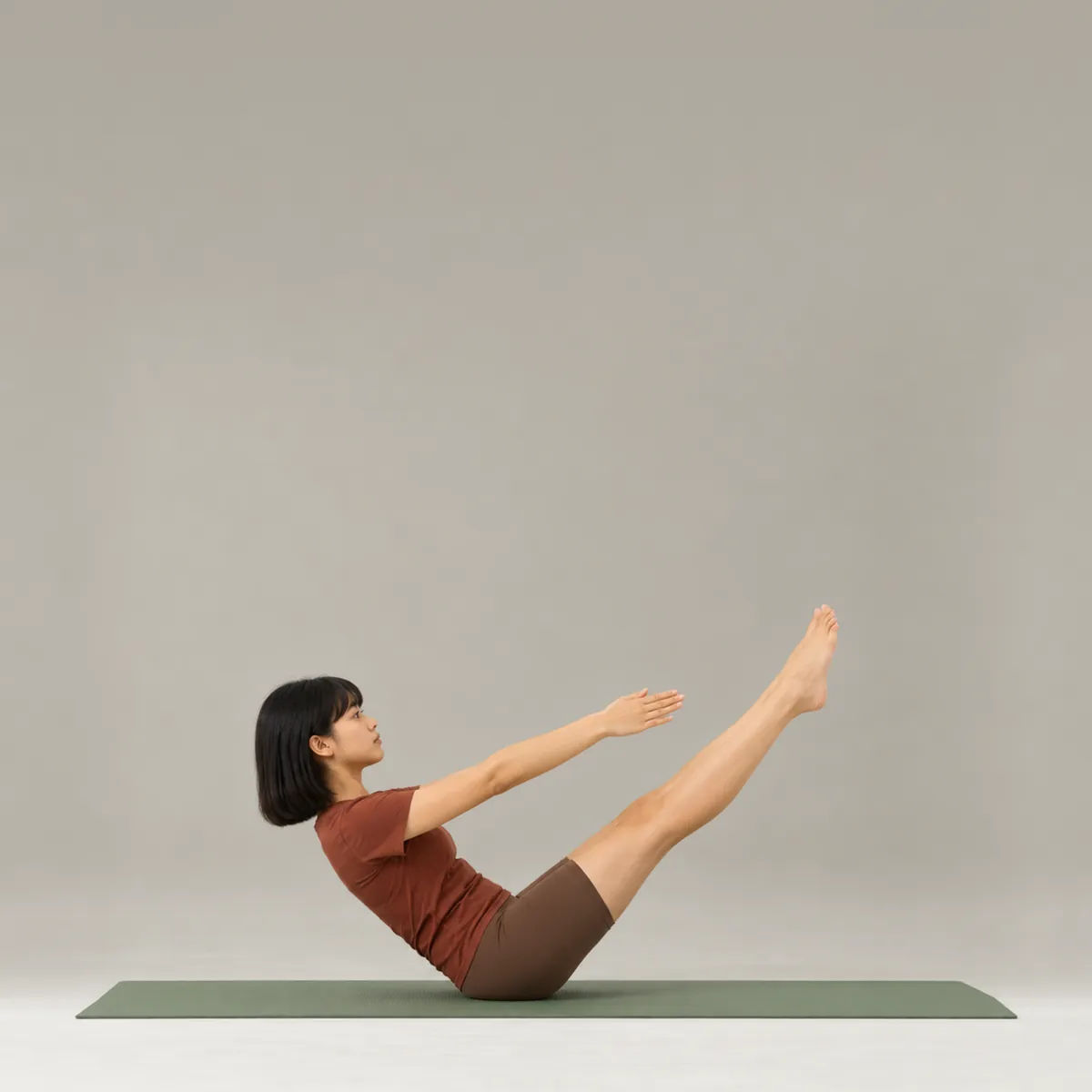
After two or three weeks of consistent practice, try straightening the legs a little more in dead bug, holding the top of the bridge for a few breaths, or lifting your head in the hundred. Progress in pilates is mostly about keeping control through a bigger range, not adding repetitions.
In pilates, slower is usually harder, and harder in the right way.
Questions this guide answers
Can you do pilates at home without equipment?
Yes. Mat pilates needs only a mat and enough space to lie down. Many foundational exercises use body weight alone.
How often should beginners do pilates?
Two to three sessions a week is a good starting point, with rest or gentle mobility between them.
Is pilates good for beginners?
Yes. Pilates is beginner friendly when you start with foundational exercises, move slowly, and focus on control and breath.
A coach that sees you move.
Pre-order Kova on the App Store. It downloads automatically on release day, and your first practice is free.