Yoga for lifters: mobility that helps your squat and deadlift

Strength needs range to work in. A little yoga can buy you a lot of it.
Many lifters treat mobility as optional, something to do when an injury forces it. But a squat that hits depth, a deadlift with a neutral spine, and an overhead press with stacked shoulders all depend on range of motion as much as strength.
Yoga is one of the most efficient ways to build that range, and it brings something extra lifters often lack: control at the end of the range, plus breathing that helps you brace well under load.
Where lifters tend to get stuck
The most common restrictions show up in the same places: ankles that limit squat depth, hips that resist both flexion and rotation, hamstrings that pull the lower back into rounding at the bottom of a hinge, and an upper back and shoulders that make overhead positions difficult.
A short mobility session for lifting days
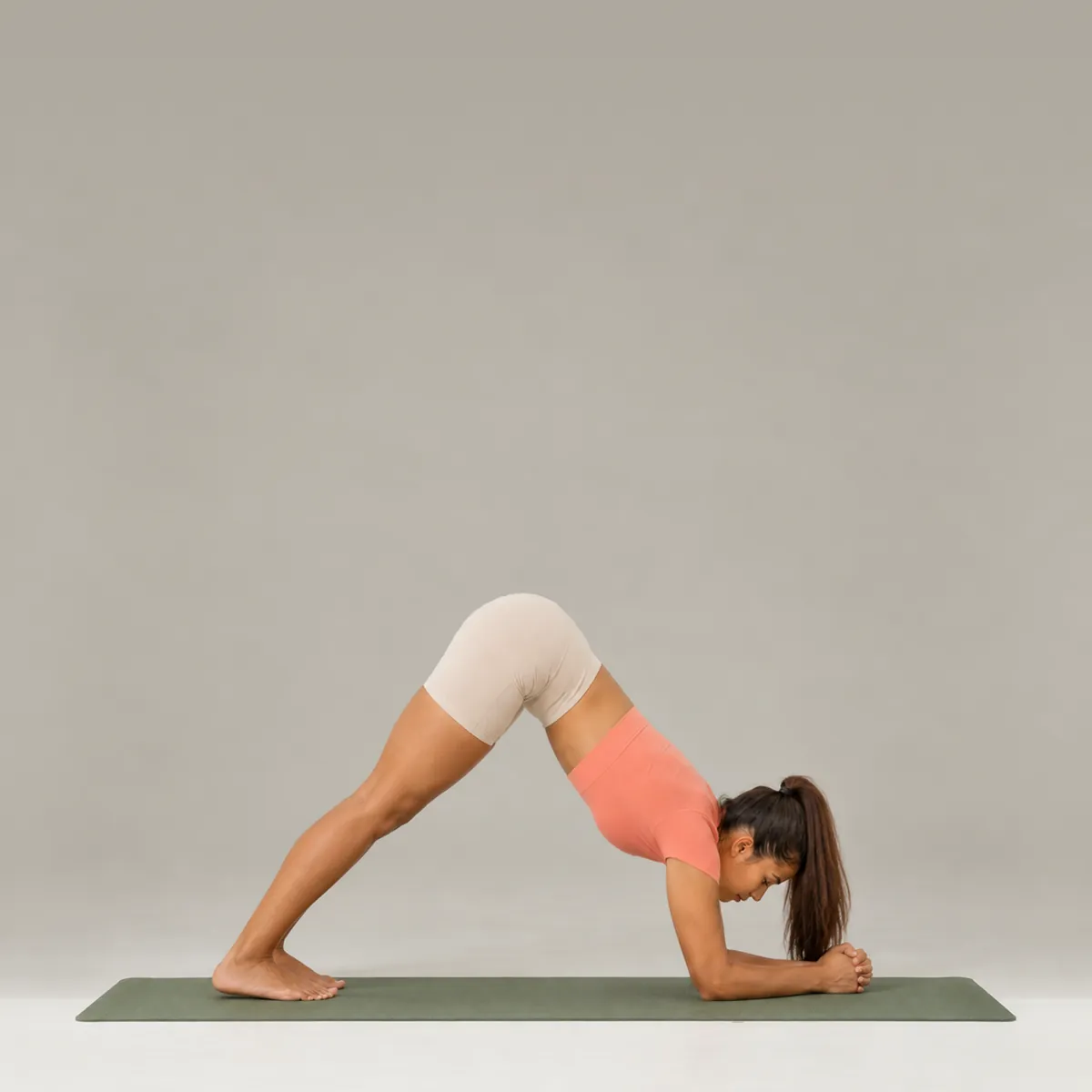
- Downward facing dog, pedaling the heels for ankles and calves.
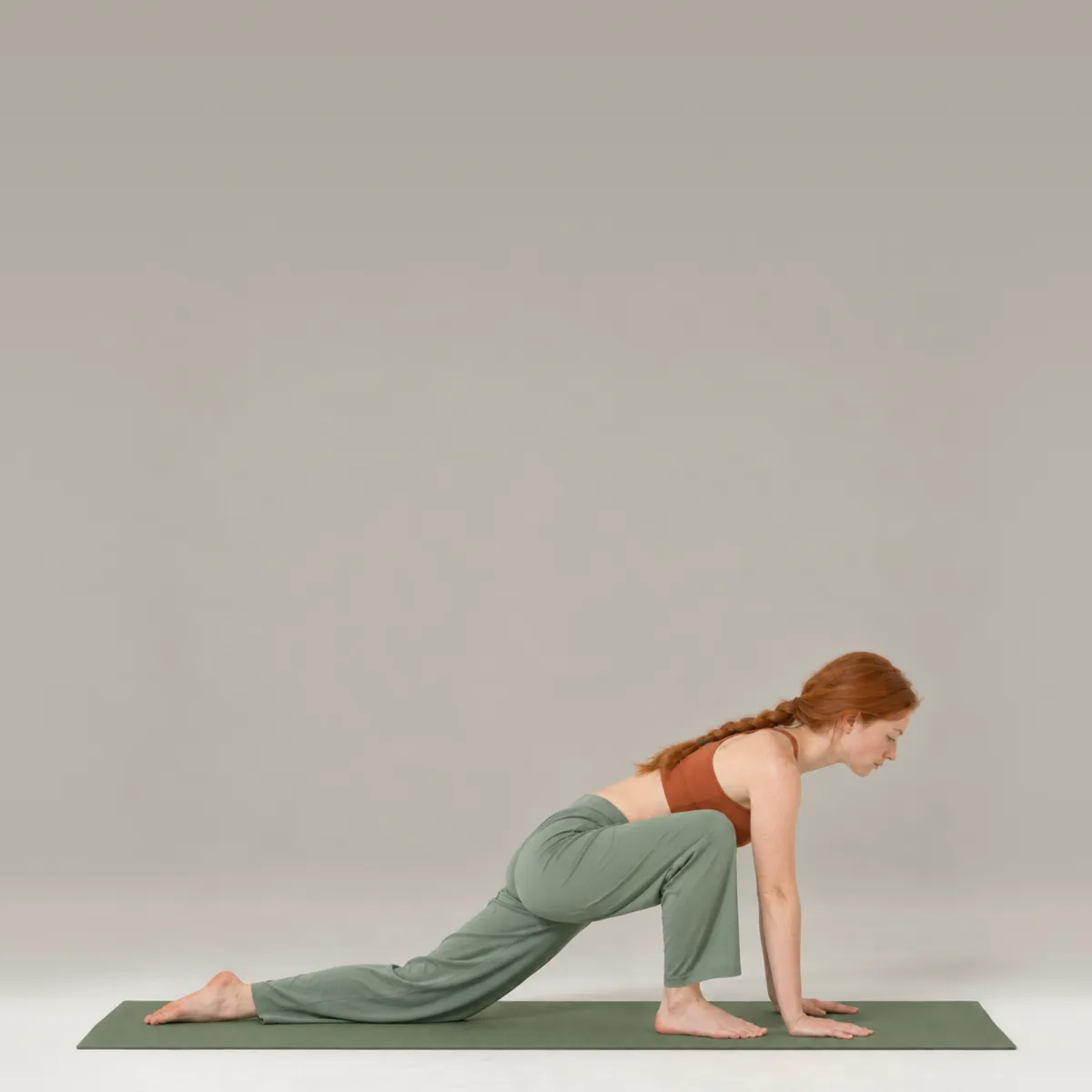
- Low lunge with a reach overhead for the hip flexors.
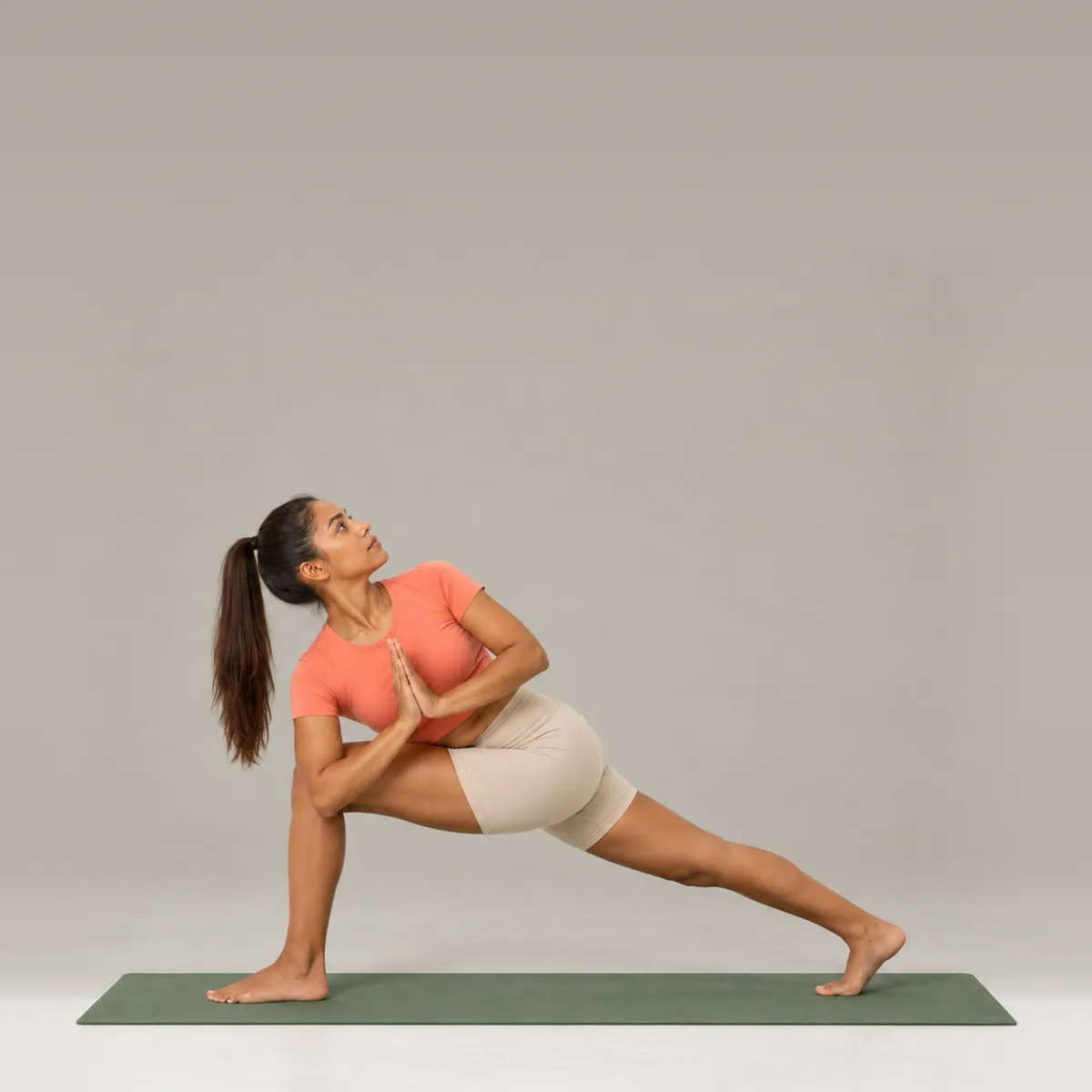
- Lizard pose or a deep lunge for hip rotation.
- Pyramid pose with a flat back for the hamstrings and the hinge pattern.
- Thread the needle for upper-back rotation.
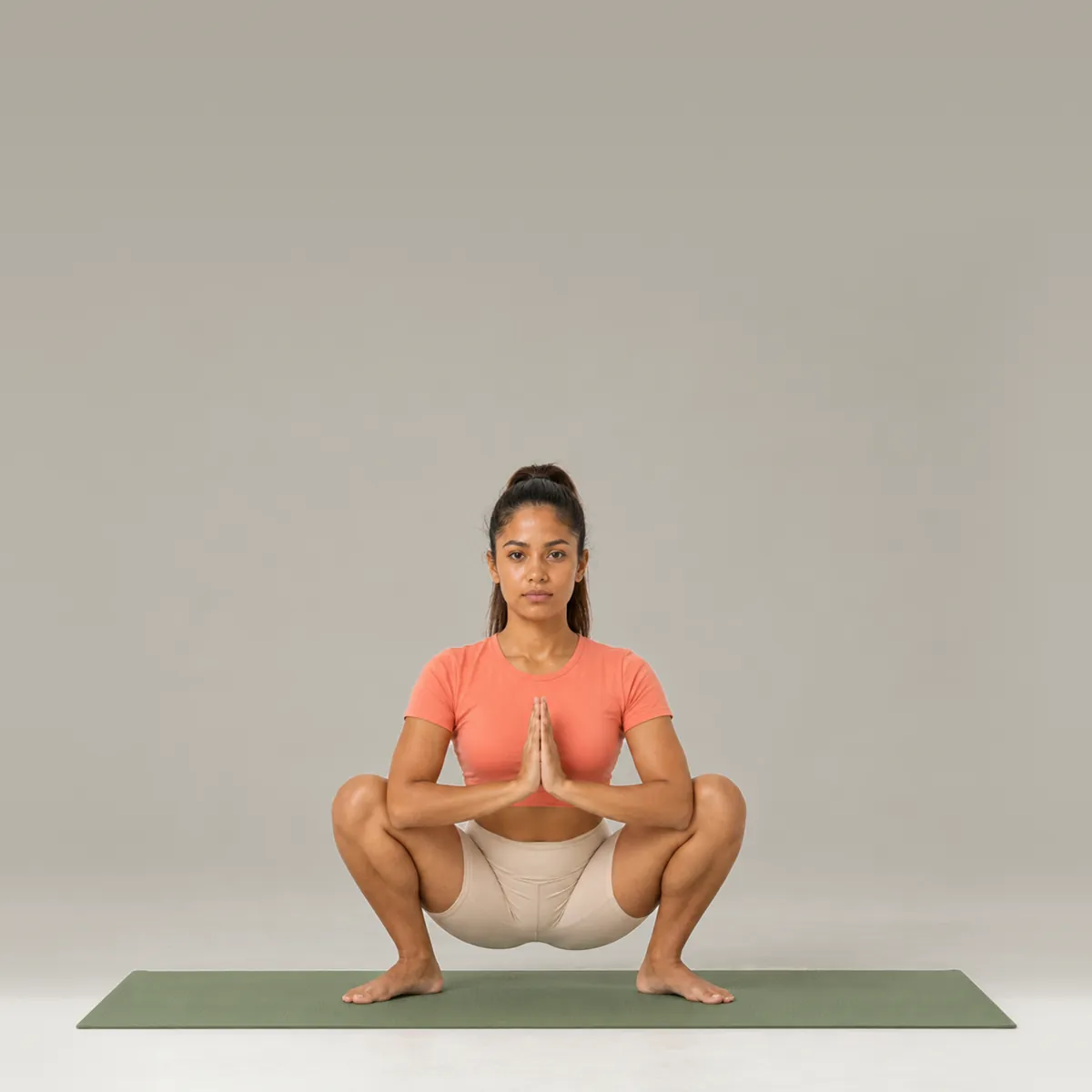
- Garland pose, a deep supported squat, held for several breaths.
Spend about a minute in each. Before a session, keep holds short and active. After lifting or on rest days, you can hold longer and breathe more slowly.
How yoga helps the lifts themselves
Garland pose gives you a held, supported bottom-of-squat position to explore, building comfort at depth. Pyramid pose teaches you to hinge from the hips with a long spine, the same pattern as a good deadlift. Thread the needle and downward dog help open the upper back and shoulders for overhead work.
Breath is the underrated benefit. Yoga teaches you to breathe into the ribs and belly under tension, which carries directly into a better brace under the bar.
Form still matters on the mat
Lifters are used to coaching cues on the platform but often switch off on the mat. Rounding the back in pyramid, collapsing the knee in a lunge, or forcing range with momentum turns mobility work into another source of strain.
Kova brings coaching to that part of training. On-device pose tracking watches your alignment as you move through each pose and offers calm, specific cues like lengthen your spine or ease back to a smaller range. Pair yoga for mobility with pilates for core control in one plan, and your recovery days start doing real work. Your camera feed stays on your iPhone or iPad.
How often to do it
Two or three short sessions a week makes a noticeable difference for most lifters. Ten minutes before training as a warmup and a longer twenty-minute session on a rest day is a simple, sustainable rhythm.
Range is the room your strength gets to use.
Questions this guide answers
Should lifters do yoga before or after training?
Short, active mobility before training and longer, slower holds after training or on rest days work well for most people.
Will yoga make me lose strength?
Not at typical amounts. Yoga complements strength training by improving mobility, control, and breathing, and a few short sessions a week will not get in the way of your lifting.
What yoga poses help with squat depth?
Garland pose, low lunges, and ankle mobility from downward dog are a good start.
A coach that sees you move.
Pre-order Kova on the App Store. It downloads automatically on release day, and your first practice is free.