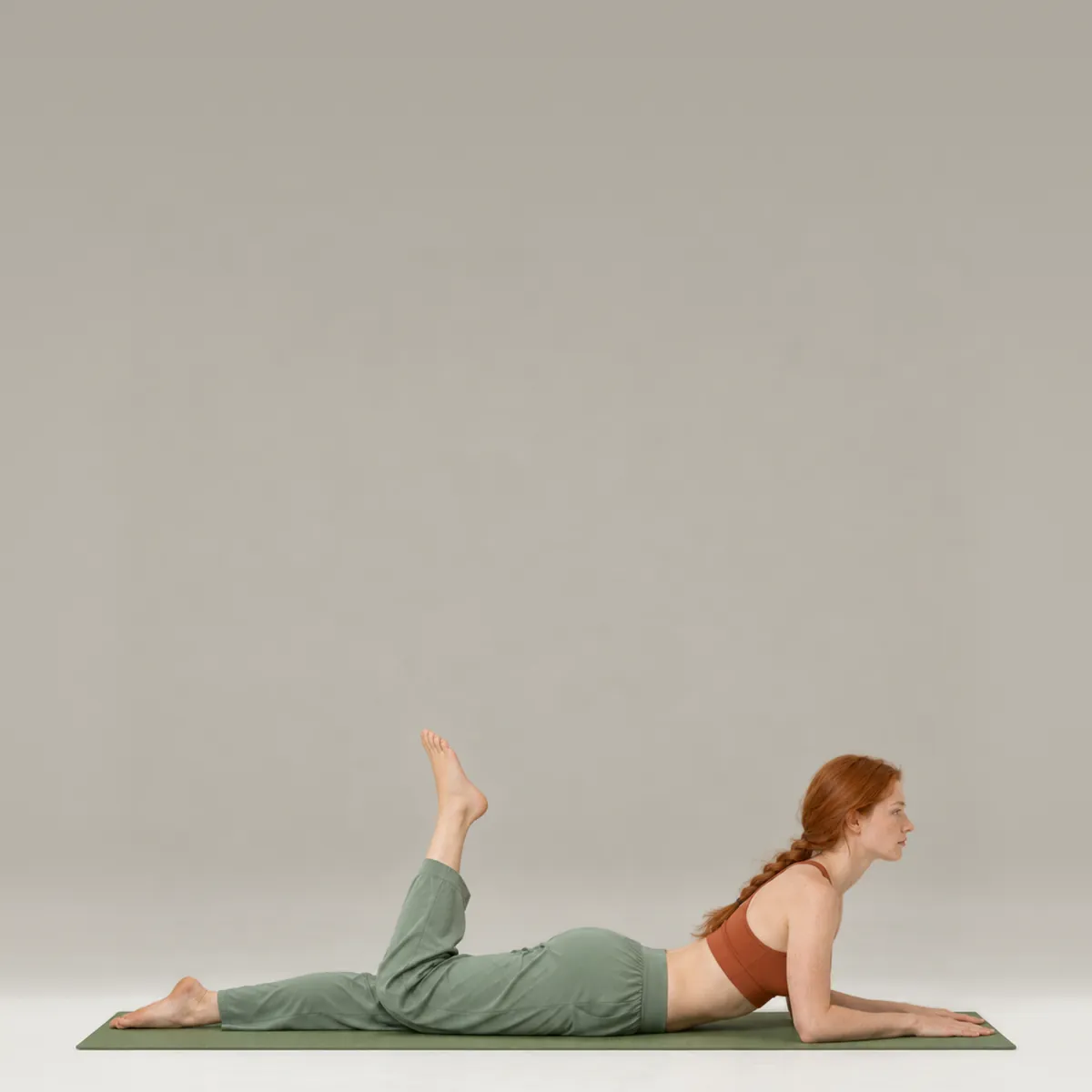
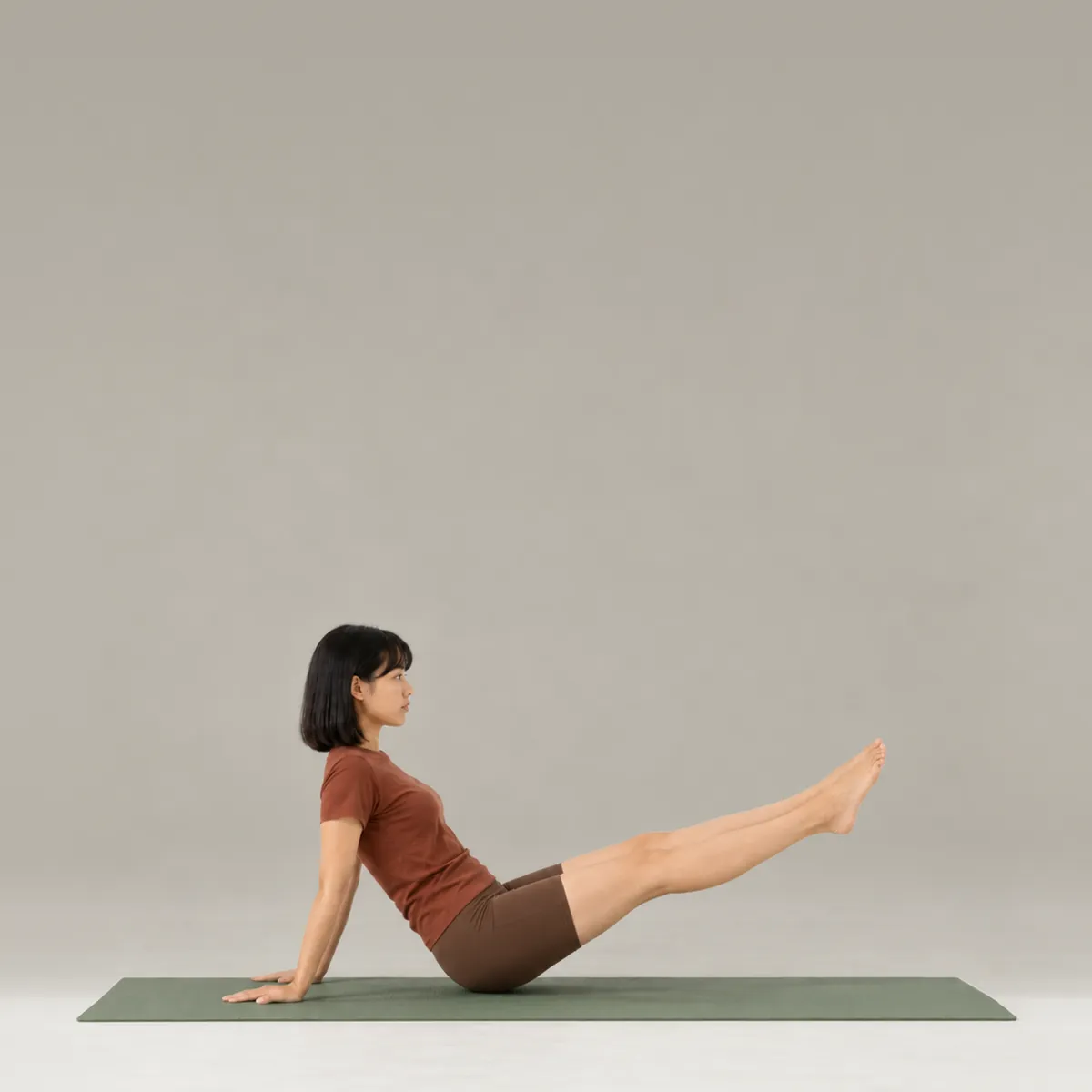
Pilates posture cues that actually help

Better posture cues are specific, calm, and tied to breath.
Pilates is full of posture language: neutral spine, ribs down, shoulders wide, pelvis steady. Those cues can be powerful, but only if they arrive in a way the body can use.
Specific beats strict
A strict cue often makes people brace. A specific cue gives them a small action: widen across the collarbones, soften the front ribs, press evenly through the feet, or exhale before lifting.
Posture is not a pose you lock into. In pilates, it is a relationship between breath, load, and control. A useful cue should help that relationship become clearer, not make you hold yourself like a statue.
Start with ribs and pelvis
Many pilates movements become easier to organize when the ribs and pelvis are in conversation. If the ribs flare every time the legs move, the lower back may take over. If the pelvis tucks too hard, the breath can get stuck.
- Exhale before the hardest part of the movement.
- Keep the ribs heavy without crushing the breath.
- Let the pelvis stay steady without clenching.
Real-time feedback helps when fatigue shows up
Many pilates movements, like the hundred, start clean and drift as the set continues. Kova is designed to notice visible changes in alignment and cue you before effort turns into compensation.
That drift is normal. The point of feedback is not to shame the last few reps. It is to help you choose a smaller range, a slower tempo, or a cleaner setup before the movement loses its purpose.
Good posture feels available
The best cue leaves you with more access, not more tension. You should feel steadier, wider, and more able to breathe. If a posture cue makes everything rigid, it probably needs to be translated into a smaller, more useful action.
A coach that sees you move.
Pre-order Kova on the App Store. It downloads automatically on release day, and your first practice is free.