How long does it take to see results from yoga?

Some changes show up after a week. Others take a few months. Here's an honest timeline, and what to watch for first.
If you have just started practicing, it is natural to wonder when you will notice a difference. The honest answer is that it depends on what you are hoping will change, how often you practice, and where you are starting from. Some results arrive in days. Others take months.
What follows is a realistic timeline for someone practicing two to four times a week, with sessions of 15 to 30 minutes. It is not a promise. Bodies vary widely, and the point is not to race the calendar but to know what progress usually looks like, so you can recognize it when it arrives.
Weeks one and two: you learn the shapes
The first changes are usually not physical. You start to remember the names of poses, where your hands and feet go, and how to move between them without stopping to watch the screen. Many people also notice they feel calmer or looser right after a session, even if that feeling fades by the next day.
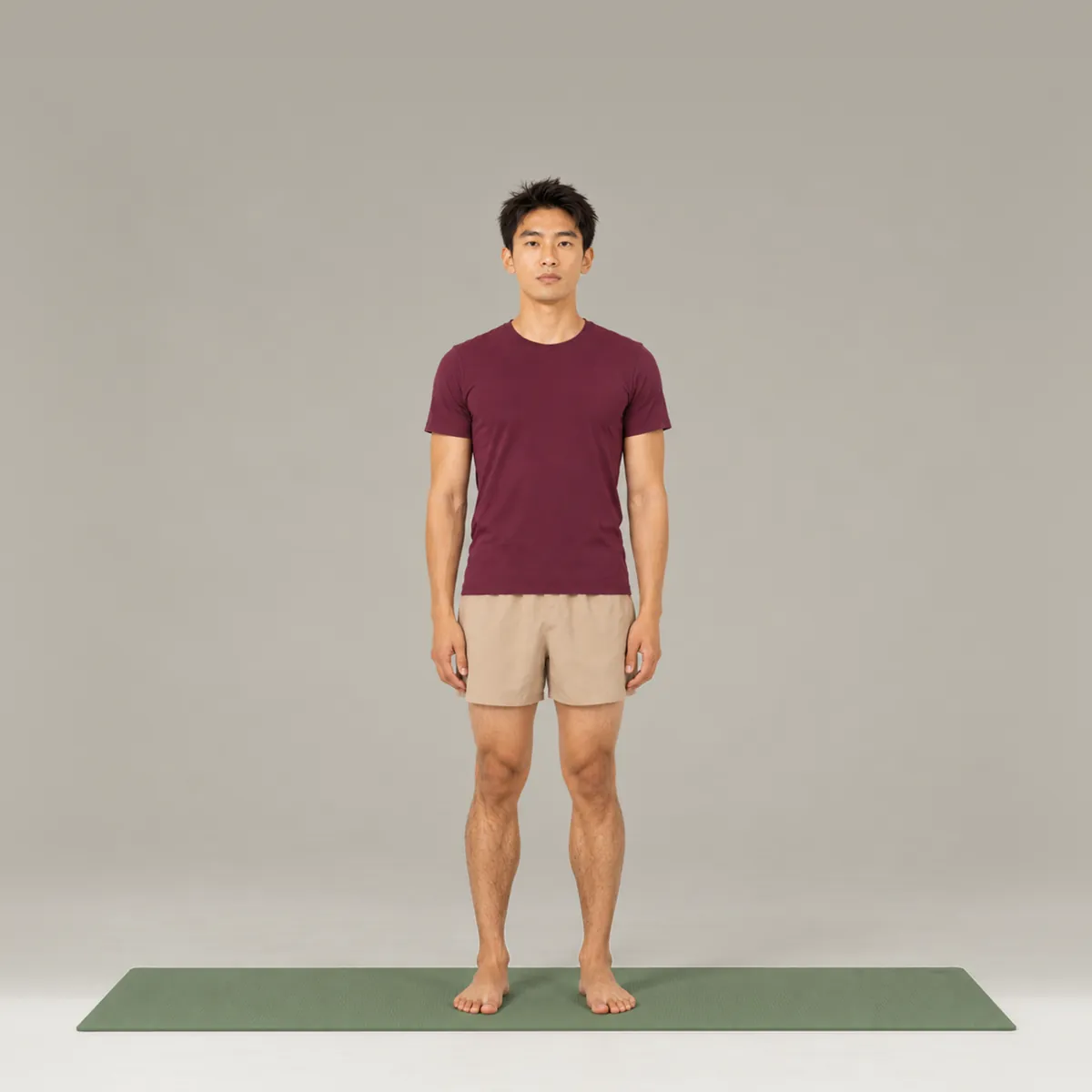
This stage can feel slow, but it is real progress. Learning the basics of mountain pose, downward dog, and cat-cow means every future session asks less of your attention and gives more back.
Weeks three to six: things start to feel easier
Around this point, many people notice that poses which felt awkward in week one now feel familiar. Holds feel steadier. Breath stays smoother during effort. Getting up from the floor or sitting through a long meeting may feel a little different.
Flexibility often starts to change here too, though usually less than people expect. A forward fold might reach a little lower. A low lunge might feel less like a strain. These are early signs that your body is adapting to regular practice.
Weeks eight to twelve: strength and range you can see
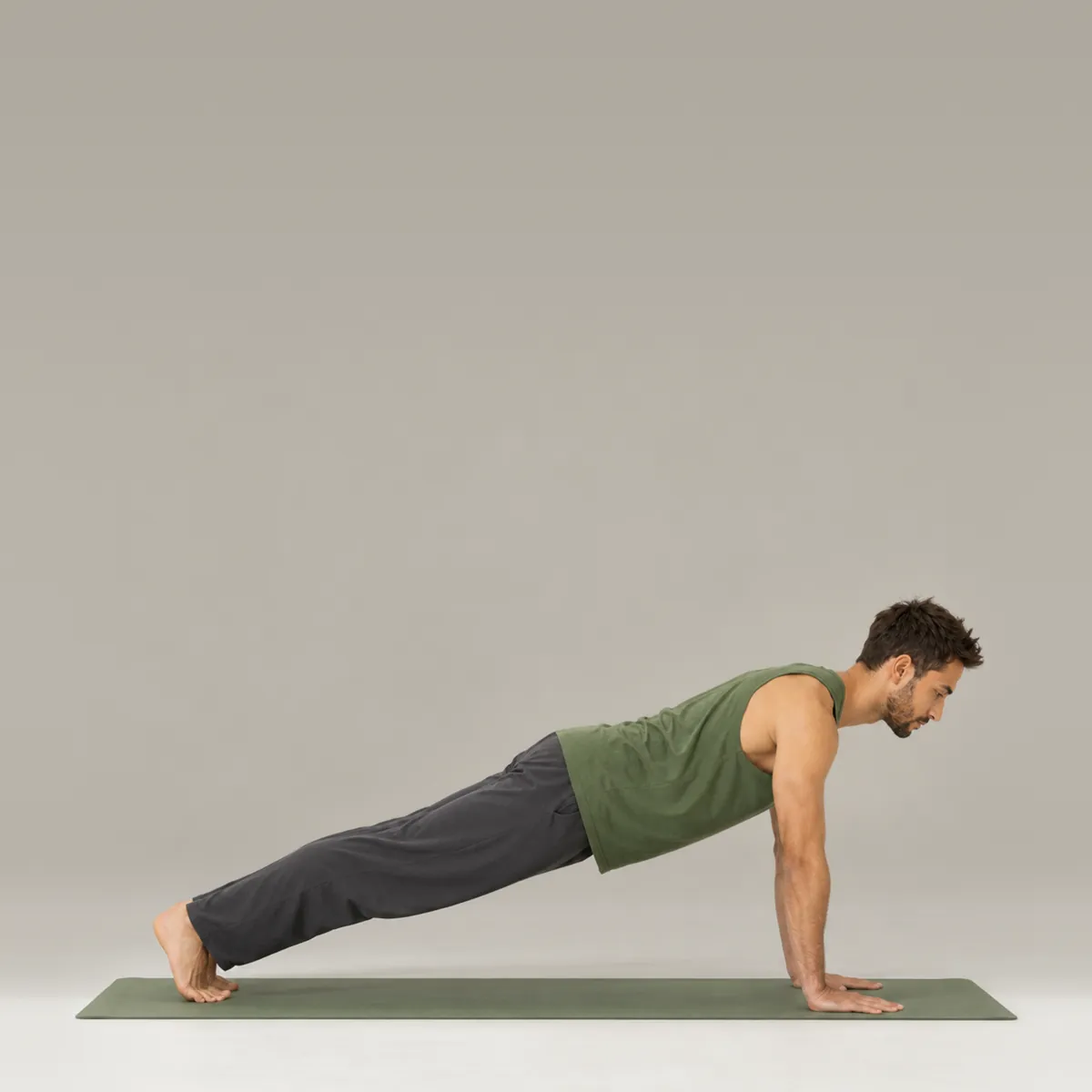
With two to three months of consistent practice, changes tend to become visible. Many people find they can hold plank or warrior II longer, balance more steadily on one foot, and move through a short flow without needing a break. Range in the hips and hamstrings often feels noticeably different compared with week one.
This is also when habits tend to settle. Practice becomes part of the week rather than something you have to talk yourself into, which is often the most valuable result of all.
What speeds results up, and what slows them down
- Frequency beats length. Three 15-minute sessions usually do more than one 45-minute session. See how often beginners should practice.
- Good form beats depth. A smaller, well-aligned pose trains the right muscles. A deeper, collapsed one often does not.
- Rest counts. Easy days and sleep are part of how the body adapts.
- Forcing range slows things down. Pushing through sharp sensation tends to create tension, not flexibility.
- Comparing yourself to photos slows things down too. Your starting point is your own.
Signs of progress that are easy to miss
Not every result shows up in the mirror. Watch for quieter signs: you hold your breath less, you notice tension in your shoulders earlier in the day, a stiff morning loosens up faster, and you choose to practice more often without forcing it. These count. They are often what make the visible changes possible later.
It can help to write one line after each session about how you felt. After a month, read it back. Progress is easier to see in a record than in memory.
How Kova helps you notice it
One reason progress feels invisible at home is that nobody is watching your form. Kova uses on-device pose tracking on your iPhone or iPad to give calm spoken cues while you move and a live form score for each pose, so you are not left guessing whether a shape is working. Your camera feed never leaves your device.
Kova also remembers how sessions felt and adapts the next one, so a tender day leads to a gentler practice instead of a setback. If you have an injury or a medical condition, check with a clinician about what to expect from your practice.
The first result of yoga is usually not a new shape. It is a new habit.
Questions this guide answers
How long does it take for yoga to change your body?
Many people feel looser and calmer within a couple of weeks. Visible changes in strength and flexibility usually take two to three months of practicing two to four times a week.
Can you see results from yoga in 30 days?
Often, yes, though the first results are usually subtle: steadier holds, smoother breath, and poses that feel familiar. Larger changes in flexibility and strength tend to take longer.
Is 20 minutes of yoga a day enough to see results?
For most beginners, yes. Short, regular sessions are a reliable way to build strength, mobility, and the habit itself.
A coach that sees you move.
Pre-order Kova on the App Store. It downloads automatically on release day, and your first practice is free.