Yoga · Intermediate
Crow pose
Bakasana
Also called Crane pose, Kakasana
Crow pose is an arm balance where you rest your knees on the backs of your upper arms and lift your feet off the floor. It builds strength in the arms, wrists, and core. Most of the pose is about shifting your weight forward slowly, not jumping, so you can learn it one foot at a time.
How to do Crow pose
- 1Start in a squat with your feet close together and your knees wide.
- 2Place your hands on the mat about shoulder width apart and a little in front of your feet, with your fingers spread.
- 3Bend your elbows so they point straight back over your wrists.
- 4Rest your knees high on the backs of your upper arms, close to your armpits.
- 5Lift your hips, round your upper back, and draw your belly in.
- 6Look at the floor a little ahead of your hands rather than straight down.
- 7Shift your weight forward into your hands until one foot feels light, lift it, then lift the other and draw your heels toward your seat.
- 8Hold for a few breaths, then lower your feet to the mat with control and rest in child's pose.
Common mistakes and how to fix them
The elbows splay out to the sides.
Hug your elbows in so they point back over your wrists, creating a shelf for your knees.
The gaze drops straight down and the weight stays back.
Look at a spot on the floor a little ahead of your fingertips. This helps your weight travel forward into your hands.
You jump the feet up and tip forward.
Lift one foot at a time and move slowly. Place a folded blanket or pillow in front of you so you can shift forward with confidence.
The knees slide down toward the elbows.
Lift your hips higher and press your knees into your upper arms, close to the armpits.
Modifications
- Stand on a block before you lift to give your hips more height.
- Lift one foot at a time and keep the other toes on the floor.
- Place a pillow or folded blanket in front of your hands for reassurance.
- Practice the setup in a squat with your knees on your arms, without lifting the feet.
Benefits
- Strengthens the arms, wrists, and shoulders.
- Builds core strength and control.
- Develops balance and focus.
- Builds confidence for other arm balances.
Breath
Exhale as you shift forward and lift your feet, then keep breathing steadily while you hold. If you notice your breath stop, lower your feet and reset.
Take care
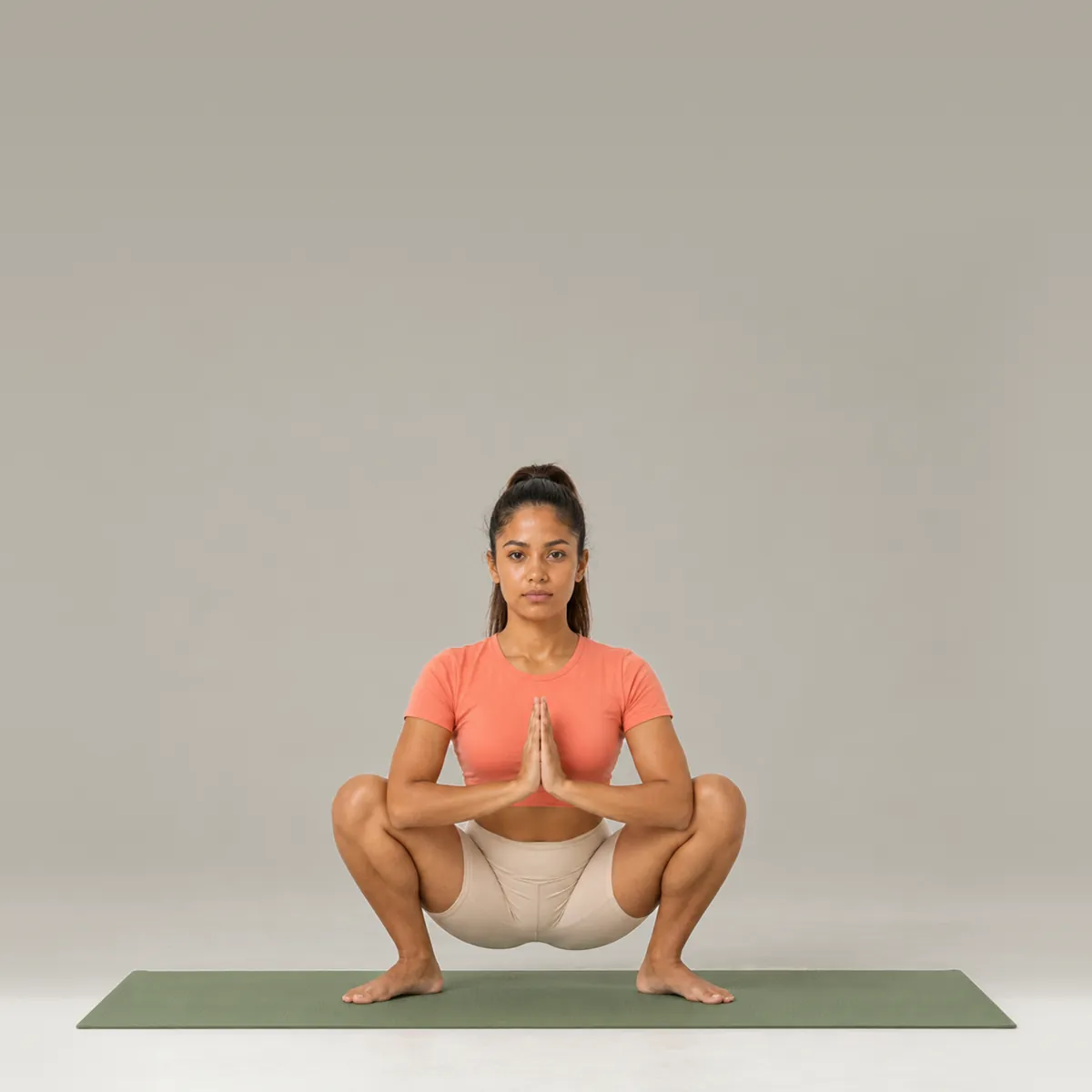
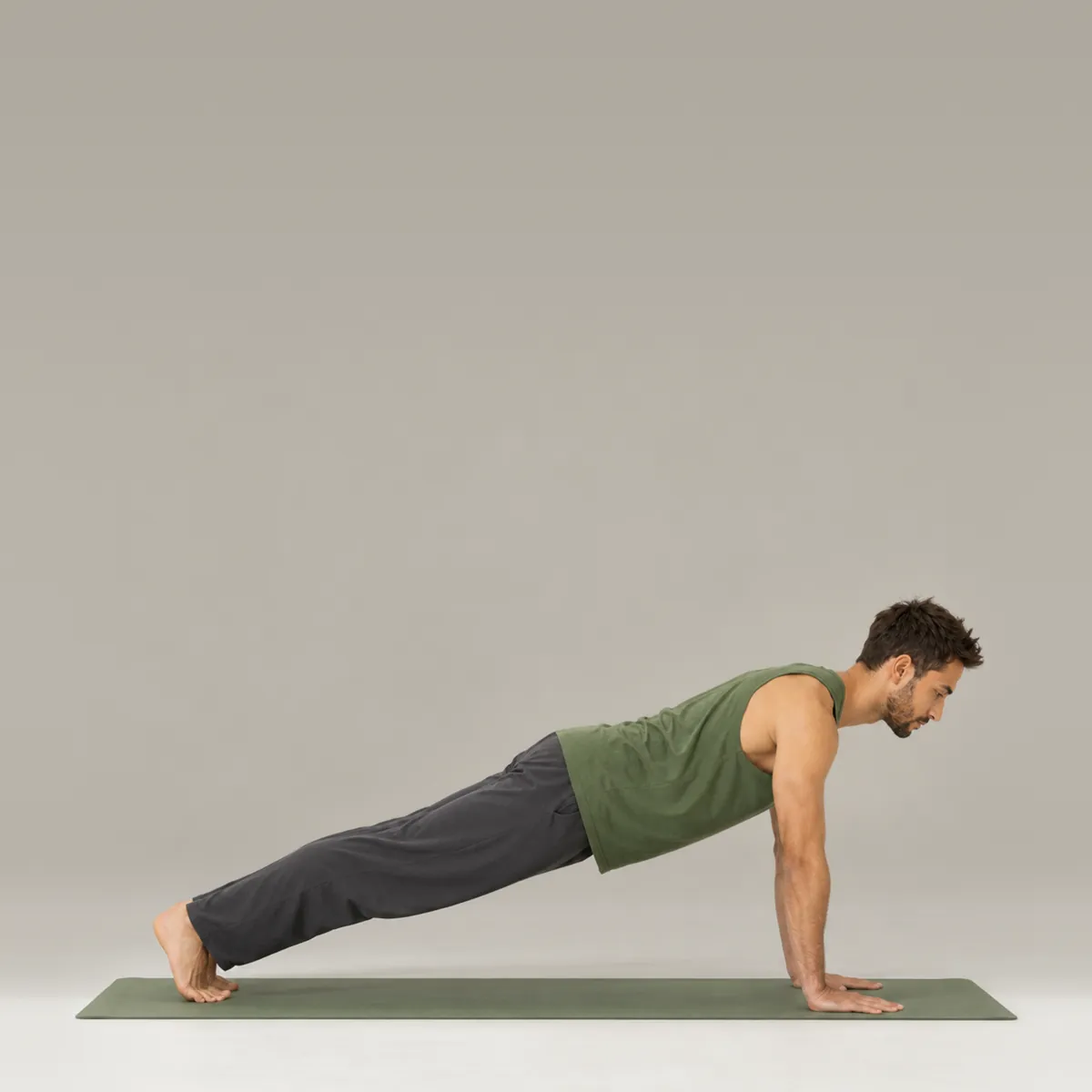
Take care with wrist, elbow, or shoulder injuries, and warm up your wrists before you try the lift. Build strength in plank pose and comfort in garland pose first, and stop if you feel sharp pain.
Crow pose questions
How do I lift my feet in crow pose?
Usually the weight has not shifted far enough into the hands, or the knees sit too low on the arms. Lift your hips, place your knees higher, look forward, and lean in a little more.
Is crow pose good for beginners?
Crow pose is often taught as a first arm balance, but it takes wrist, arm, and core strength. Build up with plank and the setup squat, and practice with a pillow in front of you.
What is the difference between crow pose and crane pose?
Crow pose keeps the elbows bent, with the knees resting on the backs of the upper arms. Crane pose straightens the arms, and some teachers use the name Bakasana for both.