What real-time yoga form correction can and cannot do

A practical guide to alignment feedback, safety boundaries, and what to expect from an AI yoga coach.
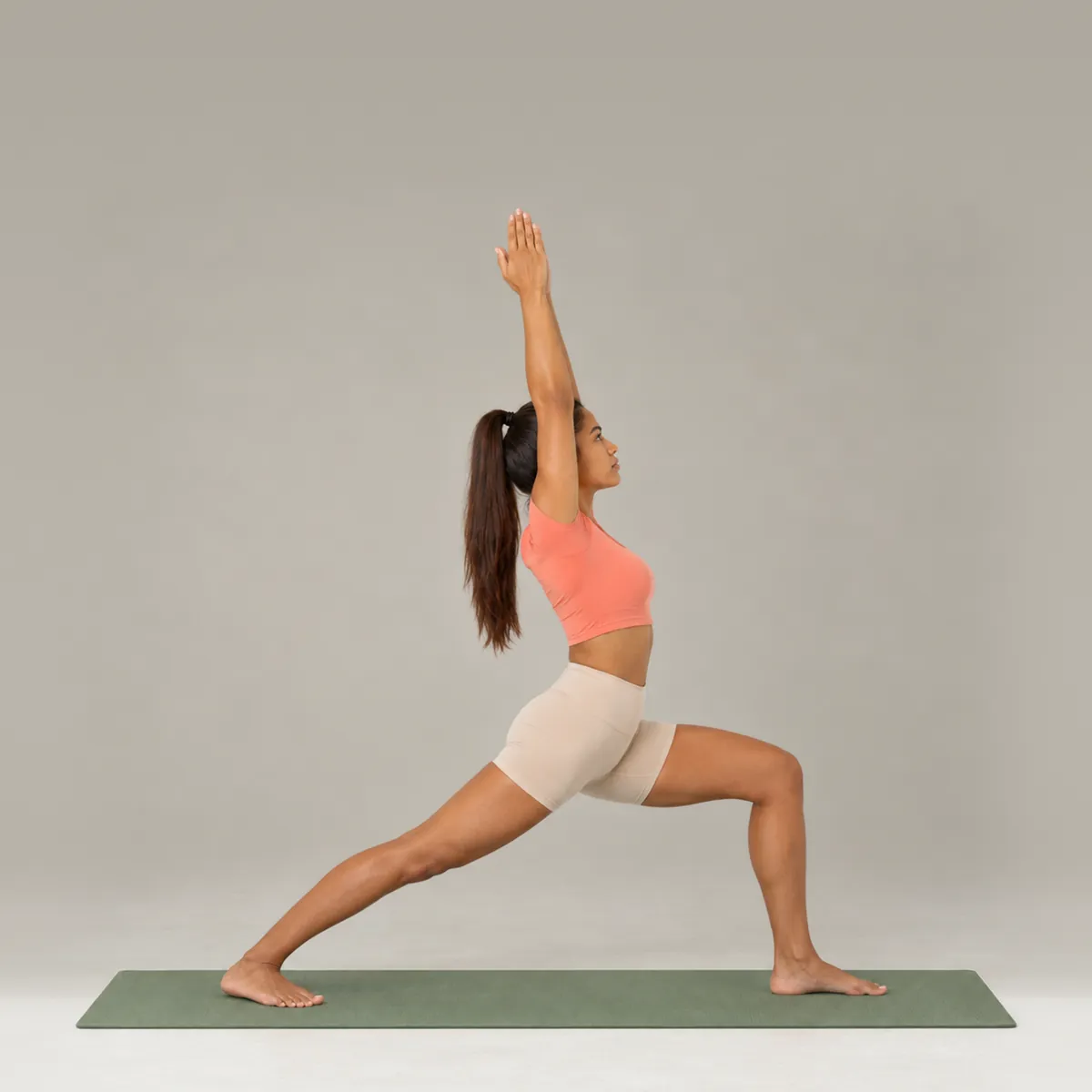
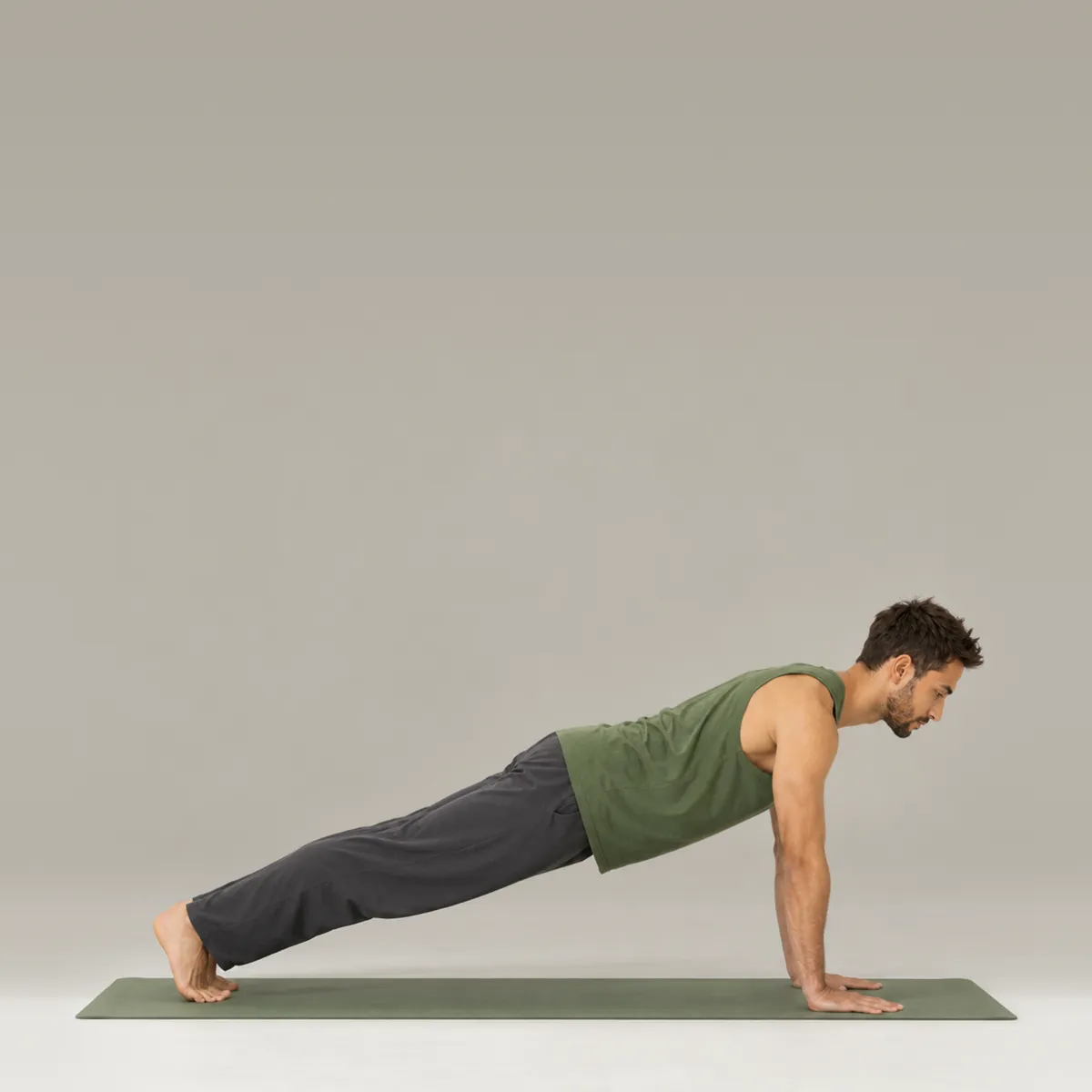
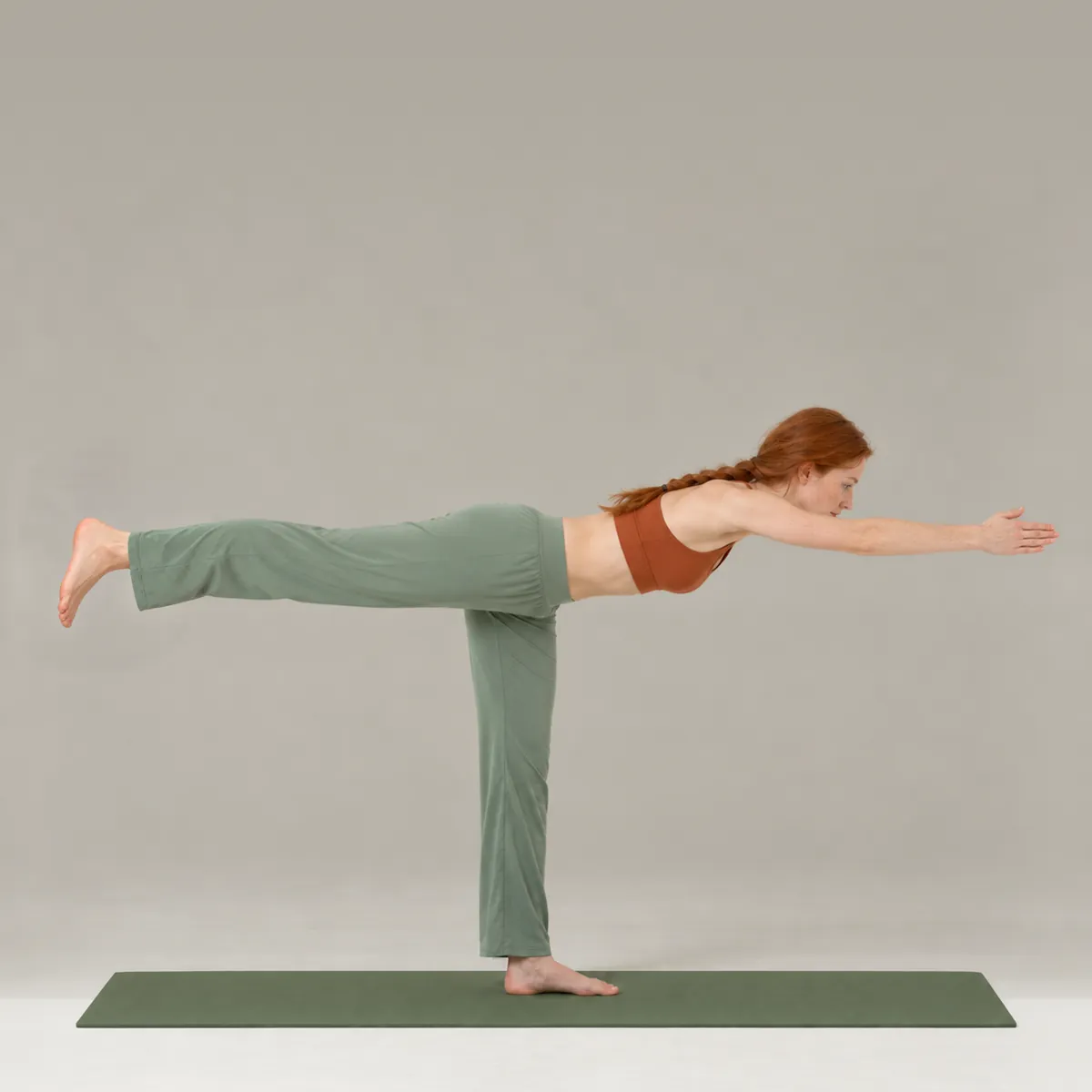
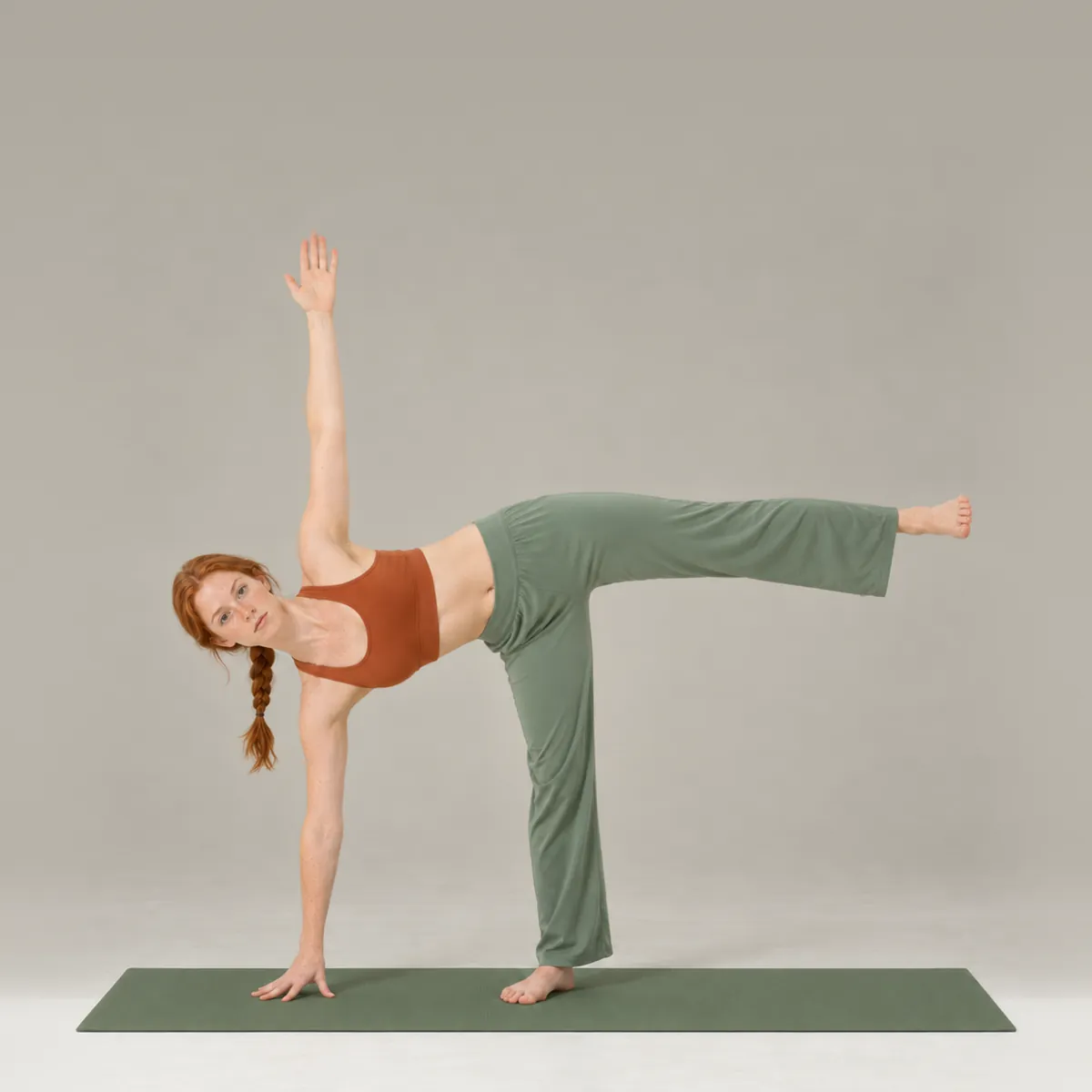
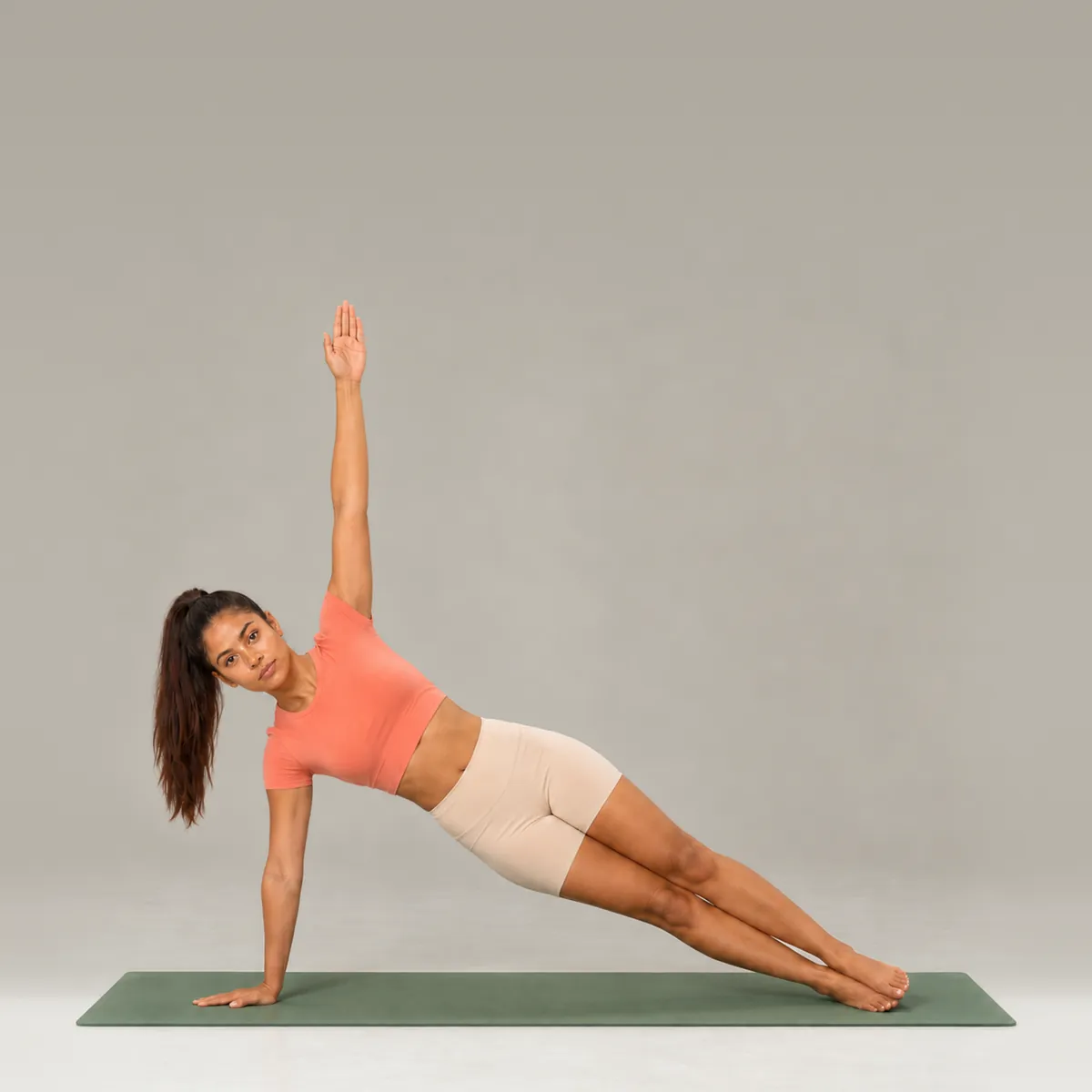
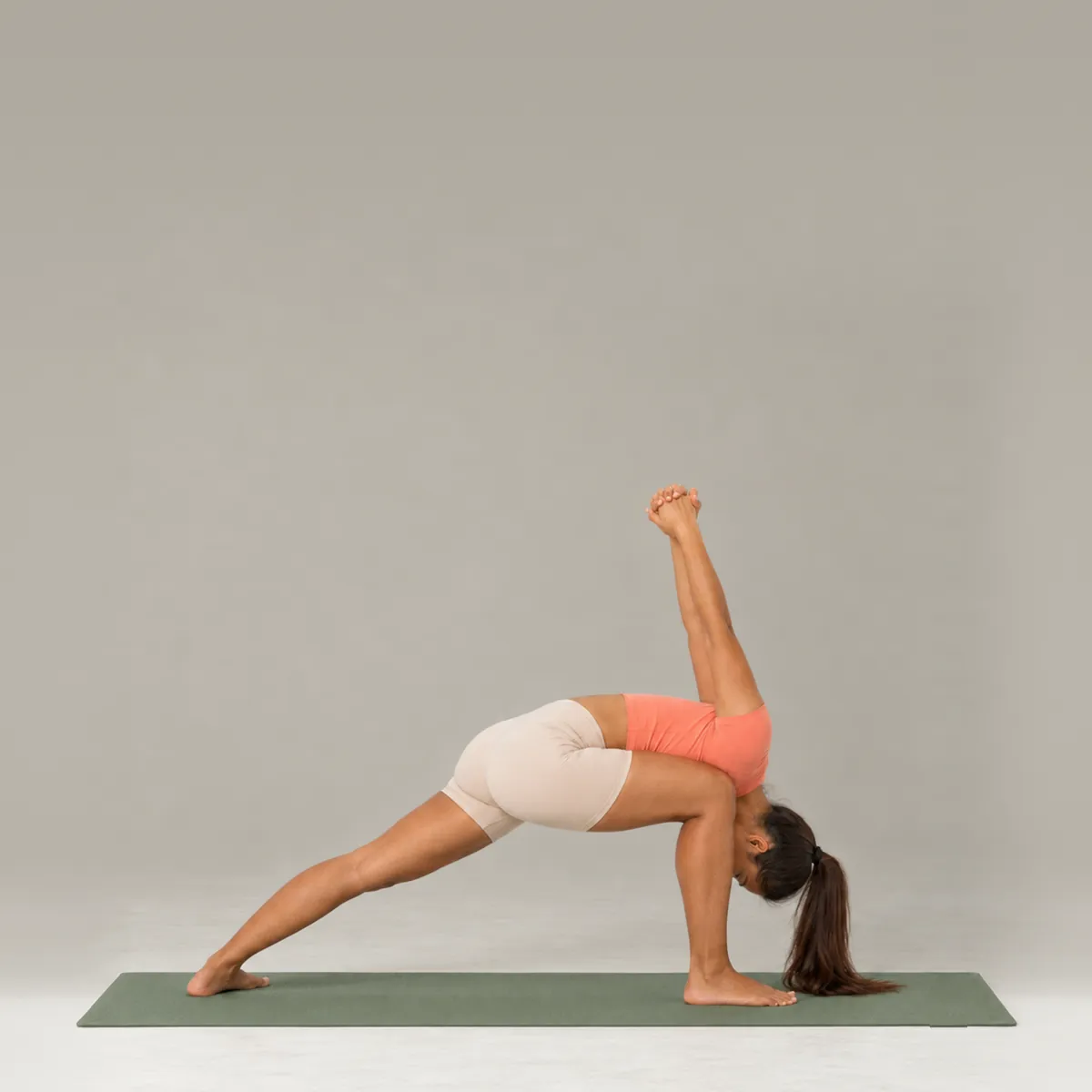
Form correction is most useful when it catches simple alignment drift before it becomes a habit: knees collapsing inward, shoulders lifting, hips rotating, or breath disappearing under effort.
Useful feedback is specific
A cue like "fix your posture" is too broad. A better cue names the adjustment: widen your stance, soften your shoulders, bend the front knee, or slow the exhale.
Specific feedback also needs restraint. If every second becomes a correction, the practice stops feeling like practice. The best cue is the one that changes the movement without pulling you out of your body.
Timing changes everything
A form cue before a transition can prepare you. A cue during a hold can help you settle. A cue after the movement may still teach you something, but it cannot help that repetition. Real-time coaching matters because alignment is alive while you move.
This is where AI feedback can be useful at home. It can watch for visible patterns that are easy to miss when you are focused on following the class: a rounded spine in a hinge, an uneven stance, or shoulders creeping up as fatigue builds.
Useful feedback also has limits
No app can feel your joints or understand pain the way a clinician can. Kova is designed to support awareness and alignment during home practice, not diagnose injuries.
- Use form cues as guidance, not judgment.
- Stop if a movement creates sharp pain.
- Choose modifications when breath or control disappears.
There are also things a camera cannot know: your history, your pain threshold, your energy level, and whether a sensation feels safe from the inside. That is why the app should leave room for your judgment.
The best outcome is better awareness
Real-time form correction should make you less dependent over time, not more. If a cue helps you feel the difference between bracing and support, you carry that awareness into the next pose, the next class, and eventually the moments when no app is watching.
Questions this guide answers
Can an app correct every yoga pose?
No. Real-time feedback is strongest for visible alignment and pacing cues. It cannot replace hands-on teaching or medical assessment.
Is form correction only for beginners?
No. Beginners need clarity, but experienced practitioners also benefit from timely reminders when fatigue changes alignment.
A coach that sees you move.
Pre-order Kova on the App Store. It downloads automatically on release day, and your first practice is free.